For a first national park trip, consider Yosemite Valley for granite and meadows, Grand Canyon’s South Rim for expansive overlooks, or Acadia for coastal walks. Each offers a clear starting area and choices about how much to walk. The right choice depends on your dates, transport and preferred scenery.

For people new to planning US national park visits. First-time visitor describes experience, not fitness: choose walking distance and terrain separately.
Choose one area you can picture
Before choosing a park, describe your ideal morning: looking up at cliffs, watching canyon shadows or following the coast. Then identify one starting point, somewhere to pause and a realistic way back. These three suggestions are editorial starting points, not a ranking or a claim that the whole park is easy to navigate. Keep lodging and entry arrangements separate from the day’s activities.
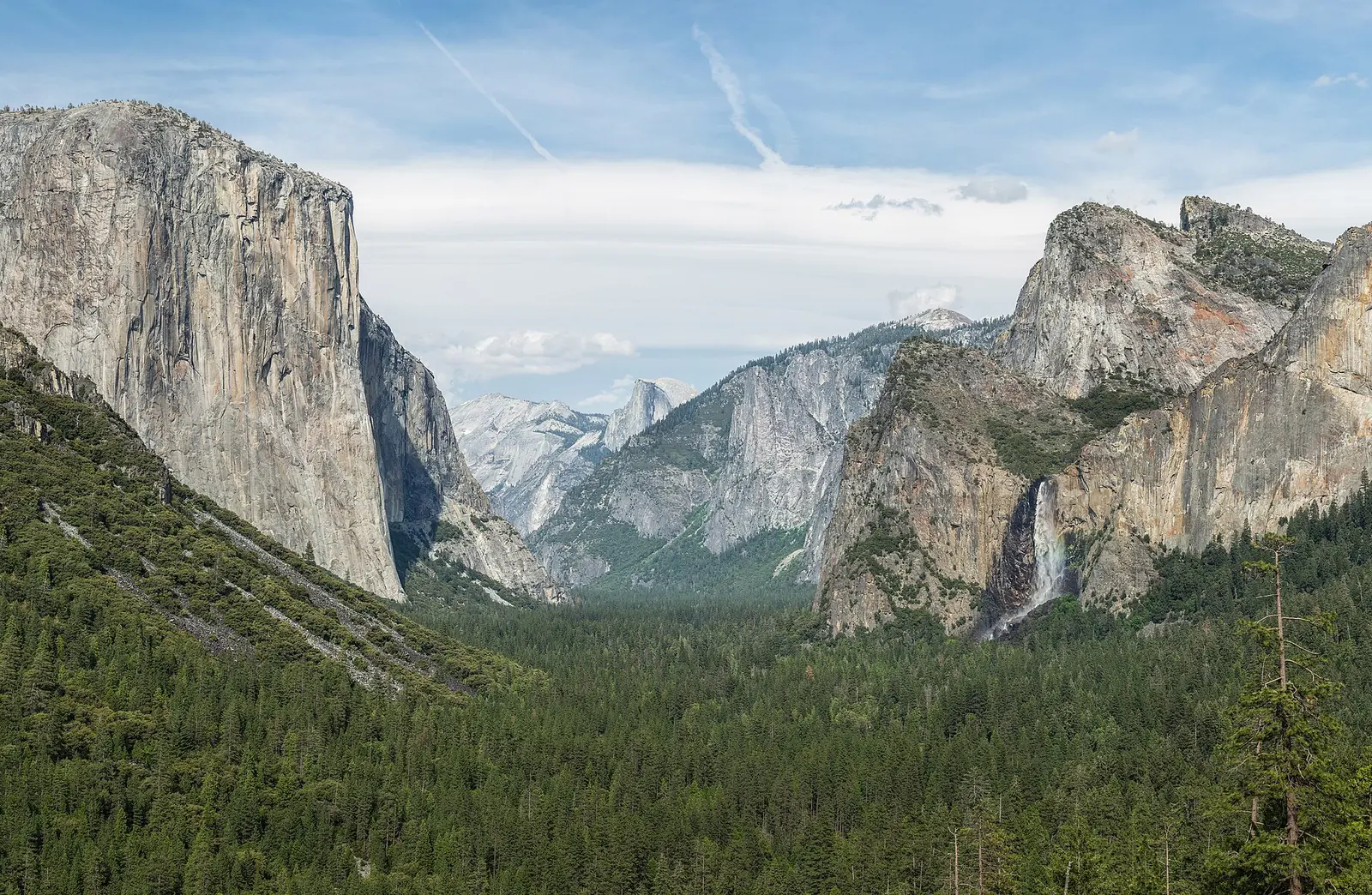
Yosemite Valley: granite views with a meadow walk
Choose Yosemite if the relationship between enormous cliffs and small details appeals to you. Cook’s Meadow provides a concrete first outing: NPS describes a flat, one-mile loop with views of Half Dome and Yosemite Falls. Valley shuttle stops provide access, and nearby parking includes Yosemite Village and Yosemite Falls. You can make the meadow the main event without adding a summit.
The trade-off is managing arrival and parking around that chosen area. Check the route from your accommodation and current shuttle information before booking. In winter, snow and ice can change the walk; wet or frosty boardwalks can be slippery. Plan for the actual surface rather than relying on the word flat.
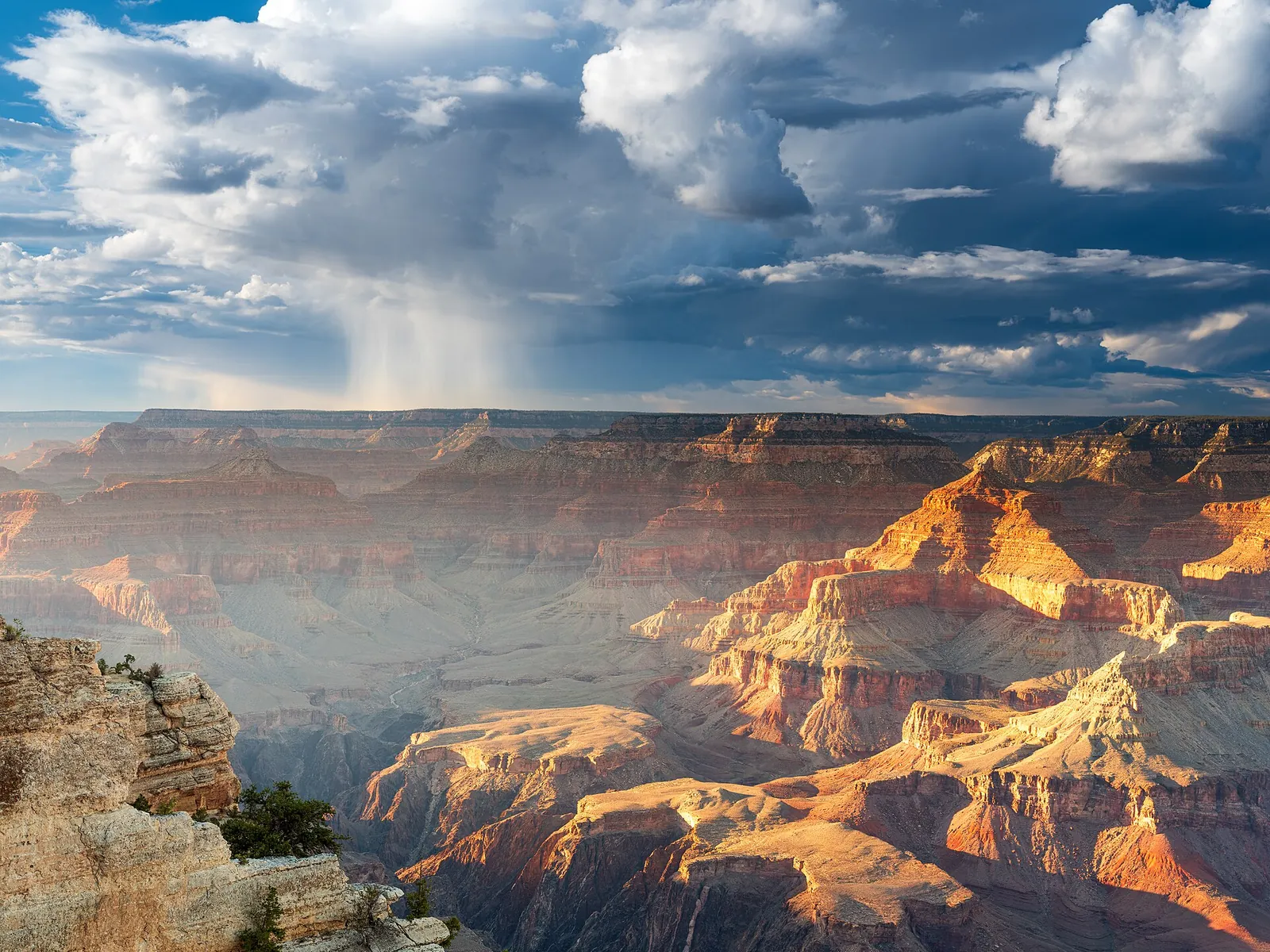
Grand Canyon’s South Rim: let the view do the work
Choose the South Rim if you want a strong sense of scale without making a canyon descent the goal. Start at Mather Point, then decide whether to walk toward Yavapai Geology Museum. That paved Rim Trail section is 0.7 mile one way and includes short slopes; turning back sooner is a valid plan.
When operating, the Orange shuttle connects these viewpoints with the Visitor Center. Check its direction and return schedule so the group can choose a one-way walk. The trade-off is waiting: NPS warns of queues at busy times and possible service suspension in bad weather. Leave space for both, rather than promising a precise connection.
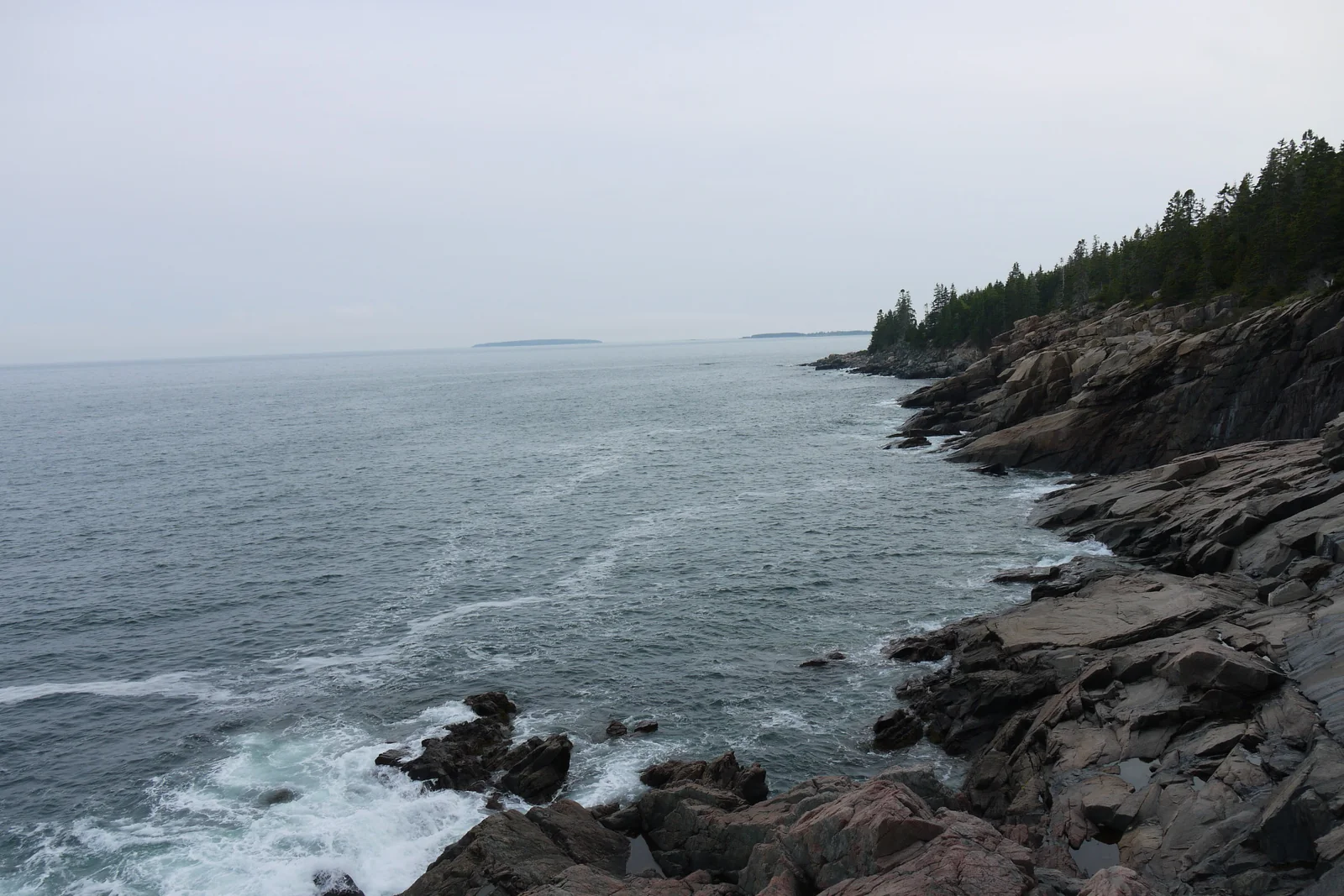
Acadia: a coastal morning with room to turn around
Choose Acadia if ocean sounds and rocky shorelines appeal more than a large mountain panorama. From upper Sand Beach parking, Ocean Path reaches Thunder Hole after about 0.7 mile one way. This section combines concrete and packed gravel; continuing farther adds uneven surfaces and stairs. Choose your turnaround before assuming the full trail suits everyone.
The seasonal Island Explorer can replace some driving and parking searches, but it does not serve Cadillac Mountain’s summit. Confirm your dates, stops and last return before relying on it. If parking is full, change the timing; if waves or footing are unsafe, change the activity. Neither a bus stop nor a short distance removes those constraints.
Turn your preference into a workable booking
Compare the same three things for each candidate: the journey from your room, the access available on your dates, and an alternative you would enjoy. Save the park and one moment in Parkly, then check current official alerts, entrance requirements and accommodation availability. A successful first visit can be one memorable area with enough time to enjoy it.
Explore the parks in this guide
Official sources & trip checks
NPS: Cook’s Meadow Loop ↗NPS: Rim Trail from Mather Point ↗NPS: South Rim shuttle buses ↗NPS: Ocean Path Trail ↗NPS: Island Explorer ↗Sources checked October 23, 2026. Independently researched by Parkly; not a firsthand trip report. Route order, light preferences and pace are editorial suggestions. Check official conditions for your travel dates.
How we make recommendations ↗