A good national park day with kids needs something they can do, not just scenery adults want them to admire. Start with their current obsession: animals, surprising science, collecting clues or asking a hundred questions. Zion, Yellowstone and Grand Canyon can each turn that interest into a different kind of outing. Choose one, then build the day around a shared activity and a comfortable way back.
For families who want children involved in the plan. These are flexible day ideas, not age-based promises about which trail every child can manage.
Choose a mission before choosing a mileage target
Ask each child to choose between two concrete possibilities: watching water change the landscape, spotting shapes in rocks, or finding an answer for a Junior Ranger booklet. A choice such as “canyon clues or geyser questions?” is easier to use than “what do you want to do?” Give older children a job they actually want, such as choosing three photographs or reading the next interpretive sign.
Then work out what the least comfortable person can manage today. Include the walk from parking, standing in lines and the trip back, rather than counting only the trail. Decide where you can stop early. A child who enjoys a short exploration has not failed to complete a longer itinerary; the shorter outing is the plan working.
Start the Junior Ranger booklet at the beginning
Pick up the park’s booklet early, ask which activities fit your visit and check where and when it can be reviewed. Requirements vary by park. At Zion, the program is for children aged four and older and includes booklet activities and a ranger-led program. Check the current program calendar before promising a badge that afternoon.
Use the booklet to notice things together, not as a race to finish pages. Bring a pencil and allow a quiet pause to draw or talk. At Grand Canyon, a screen-reader-accessible or fillable South Rim booklet is available online. Families can look at the format before traveling and decide what support will make the activities enjoyable.
Zion: a canyon walk with a clear turnaround
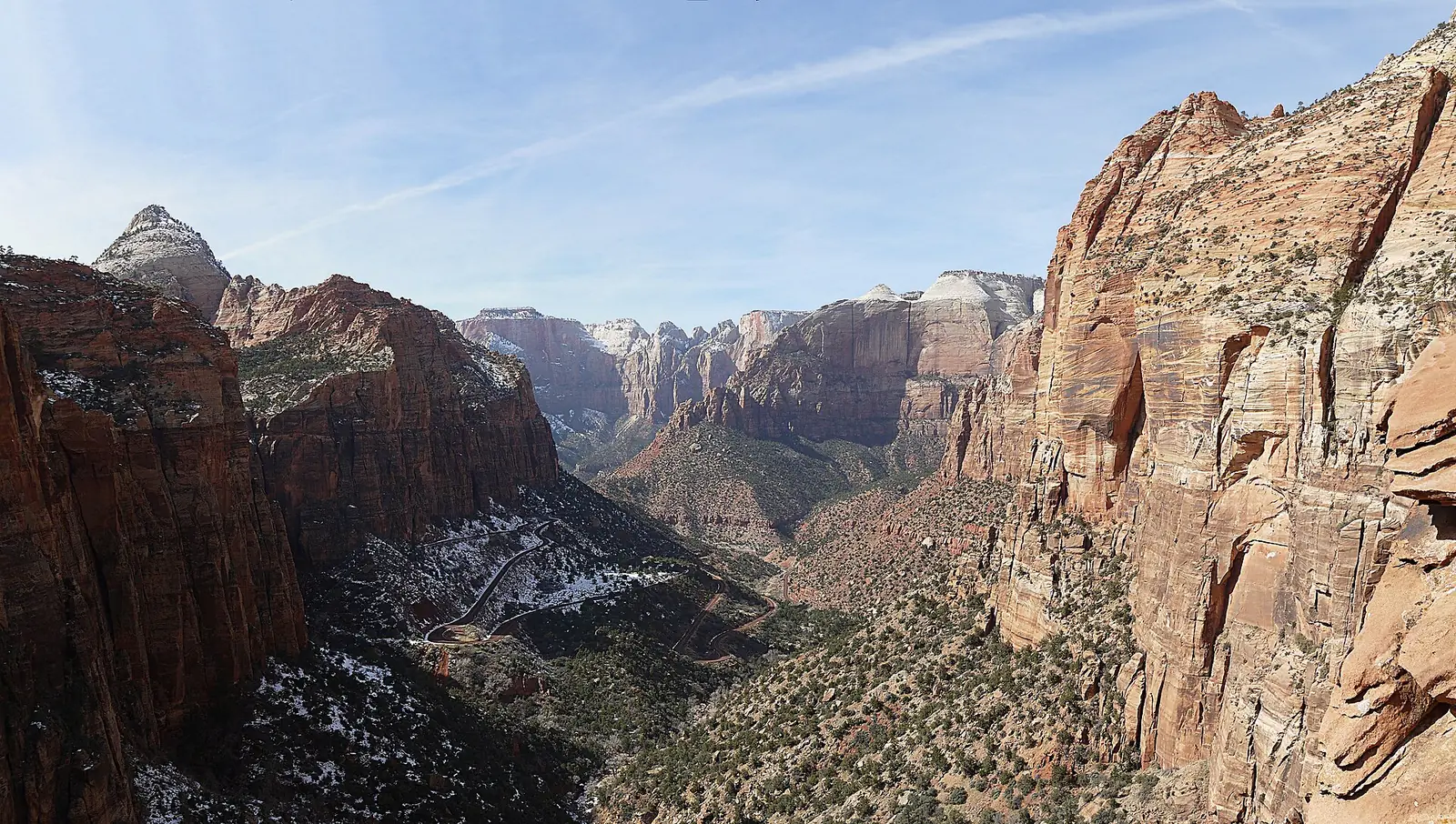
Choose Riverside Walk if your group wants canyon walls and a river beside the path. The NPS route is one mile each way from the Temple of Sinawava. The first half-mile is mostly flat, but the paving is uneven in places and there are minor drop-offs. Try a shorter out-and-back if a full two-mile walk does not suit the day.
Turning around at the end of the paved trail keeps this outing separate from hiking in the Narrows. Do not treat stepping into the river as a casual extension. Include shuttle waits in your plan and check stroller handling before boarding. Schedule food before or after the bus ride: eating is not allowed on the Zion shuttle.
Yellowstone: make the science the attraction
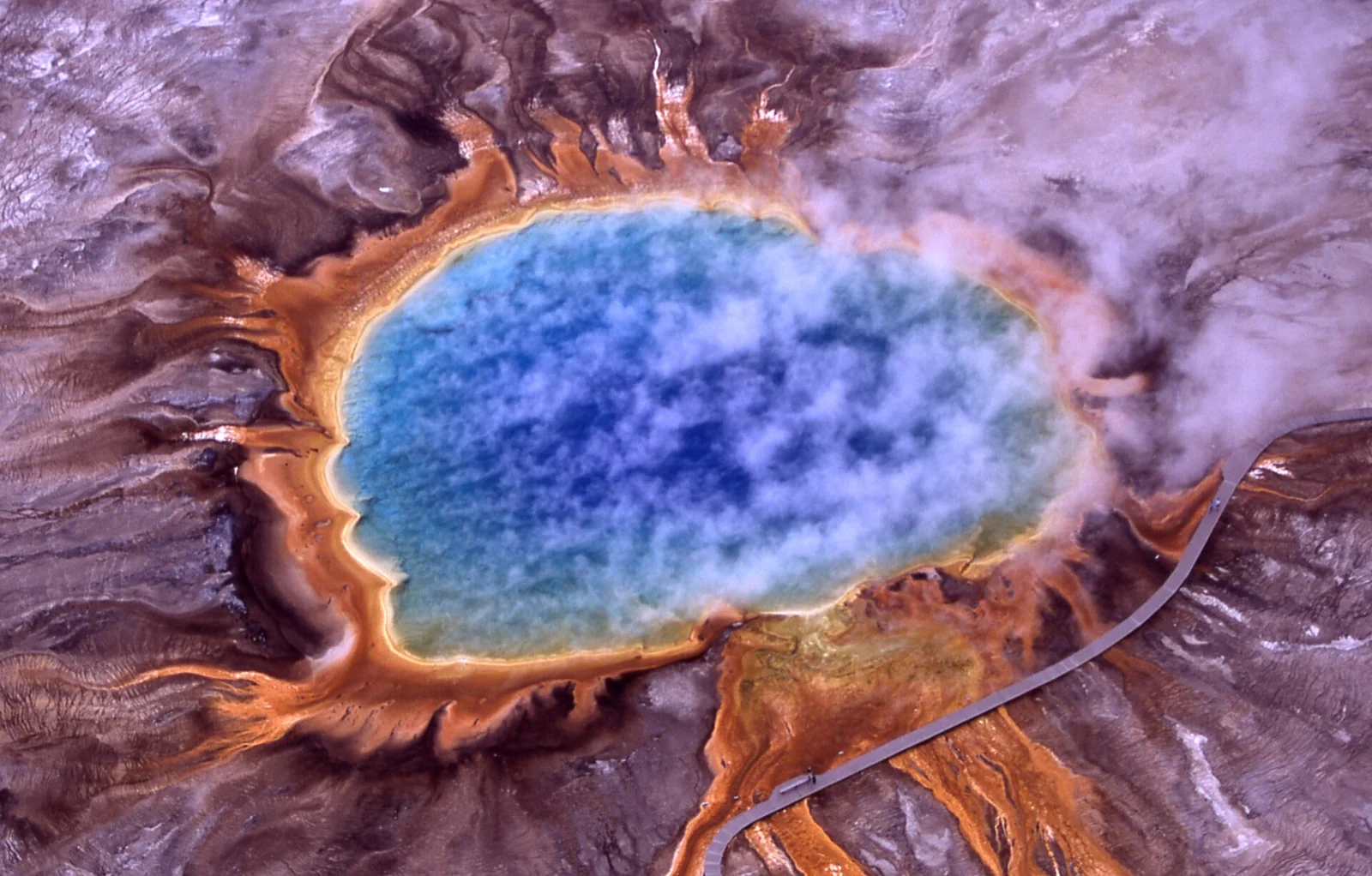
Yellowstone’s Junior Ranger booklet has age-appropriate activities about topics including hydrothermal features and wildlife. Get a copy at a visitor center or download it ahead. Pick one geyser-basin outing that matches your base instead of promising a park-wide animal hunt. A question such as “why are there different colors?” gives waiting and looking a purpose.
Adults need to supervise thermal-area visits closely. NPS requires visitors to stay on boardwalks and designated trails, keep children close and prevent running on boardwalks. Never touch thermal water or runoff. If those boundaries would be difficult for your family that day, choose visitor-center learning and a different activity rather than making a boardwalk visit compulsory.
Grand Canyon: turn a huge view into a small investigation
The South Rim Junior Ranger book helps children connect the view with things they can investigate. Pair it with a short section of the Trail of Time near Yavapai Geology Museum. Its rock displays and timeline give the canyon a scale children can question and compare; you do not need to complete the entire interpretive walk.
Choose a turnaround marker before starting and add the return distance. The complete Trail of Time is 2.83 miles, while the Yavapai-to-Village section is 1.3 miles one way. That difference matters with tired children. Leave time to return the booklet during staffed hours; Grand Canyon requires an in-park visit to receive the badge.
Leave with one thing they want to remember
Build the final hour around a meal, a restroom stop and a question everyone can answer: “What surprised you?” Let each child choose one moment to save, whether that is a rock sample they examined, a drawing or a view. Keep natural objects where they belong. A relaxed finish makes it easier to tell whether tomorrow needs more walking, more activities or simply another visit to the same place.
Explore the parks in this guide
Official sources & trip checks
NPS: Zion with kids ↗NPS: Riverside Walk ↗NPS: Yellowstone Junior Ranger ↗NPS: Yellowstone safety ↗NPS: Grand Canyon Junior Ranger ↗NPS: The Trail of Time ↗Sources checked October 23, 2026. Independently researched by Parkly; not a firsthand trip report. Route order, light preferences and pace are editorial suggestions. Check official conditions for your travel dates.
How we make recommendations ↗