Start with the kind of day you want
A great park day can be a quiet overlook, a picnic and one unhurried walk. Before picking a park, decide what feels comfortable: time on your feet, time in the car and how many times you want to move. A list of famous trails is not a plan until it fits your energy.
Three places to begin
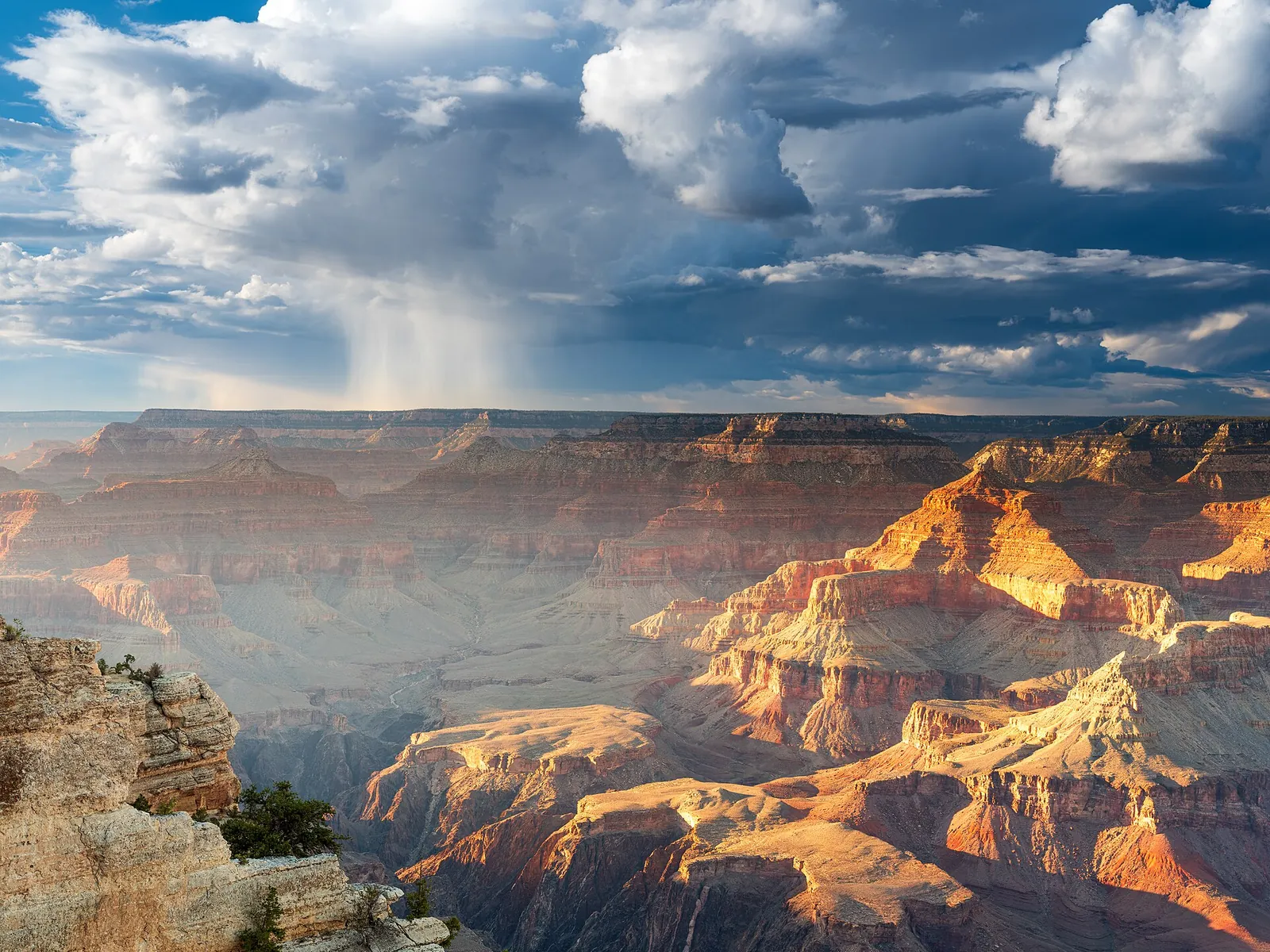
Grand Canyon’s South Rim offers major viewpoints close to roads and shuttle stops. Yosemite Valley combines meadow views with a valley shuttle network. Bryce Canyon has remarkable rim overlooks, while descending into the amphitheater adds a very different level of effort. Access, shuttle schedules and individual paths vary; check the official accessibility pages before committing.
What does your kind of trip look like?
Let’s find a park that fits your pace and your plans.
Choose one area, not the whole map
Distances inside a national park can be deceptive. Pick a small cluster of stops, check the parking or shuttle connection, and leave time to sit. At Grand Canyon, a South Rim day is its own trip; adding the North Rim is not a small detour. Your best itinerary is often the one with fewer transfers.
Make room for the less obvious effort
A short trail can still have stairs, uneven ground, altitude or exposure to heat. Look beyond mileage. Check surface, elevation change, shade, toilets and the return journey. If someone in your group needs step-free access, use the park’s specific accessibility guidance rather than assuming an overlook is accessible.
Keep planning with official sources
Grand Canyon accessibility ↗Yosemite accessibility ↗Bryce Canyon accessibility ↗By Parkly · Updated October 22, 2026. An independently researched guide, not a firsthand trip report.