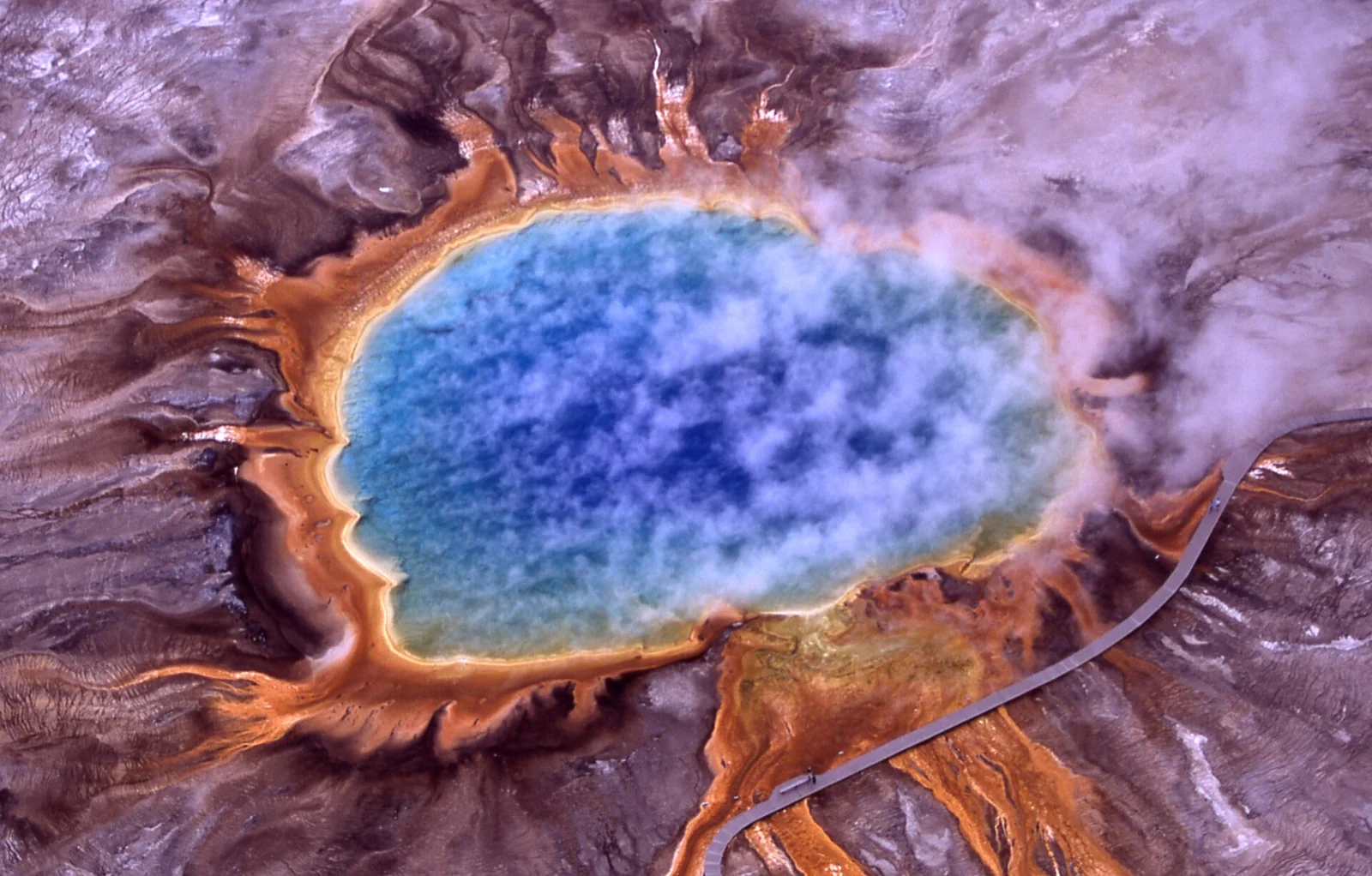
Choose Yellowstone if watching distant large mammals is the main attraction, Everglades if you would rather study birds and wetland life on a short trail, or Grand Teton if wildlife would be a welcome part of a scenic river stop. All three offer established viewing places that ordinary visitors can reach. None comes with a guaranteed sighting, and that uncertainty should shape the day.

For people who enjoy watching behavior as much as collecting species names. These plans favor roads, overlooks and maintained trails, without requiring a backcountry wildlife expedition.
Decide what you want to watch
A wildlife day works better when the target is a habitat rather than one specific animal. Choose open grassland, marsh or riverbank, then bring binoculars and learn a few likely species. A distant herd or a bird feeding for several minutes can be more interesting than a close photograph taken in a hurry.
Allow a block of time to stay in one legal viewing place. Discuss the plan with anyone who gets bored or cold while waiting: they may prefer a short stop followed by a different activity. Keep a landscape or visitor-center visit in reserve so the day still works when animals remain out of sight.
Yellowstone: choose one valley, not a chase across the park
NPS identifies both Lamar and Hayden valleys as wildlife-viewing areas, with species and locations changing by season, weather and food availability. Compare each valley with your entrance and lodging before choosing. A shorter journey to Hayden may leave more time to watch than a long transfer to Lamar. Neither name is a promise of wolves or bears.
Use designated roadside pullouts and leave traffic lanes clear. If a turnout is full, continue to a legal alternative rather than stopping in the road or driving onto vegetation. In Yellowstone, stay at least 100 yards from bears, wolves and cougars and 25 yards from other wildlife; increase that distance if your presence changes an animal’s behavior. Use optics, and remain in or beside your vehicle when watching bears.
Everglades: a short trail with plenty to notice
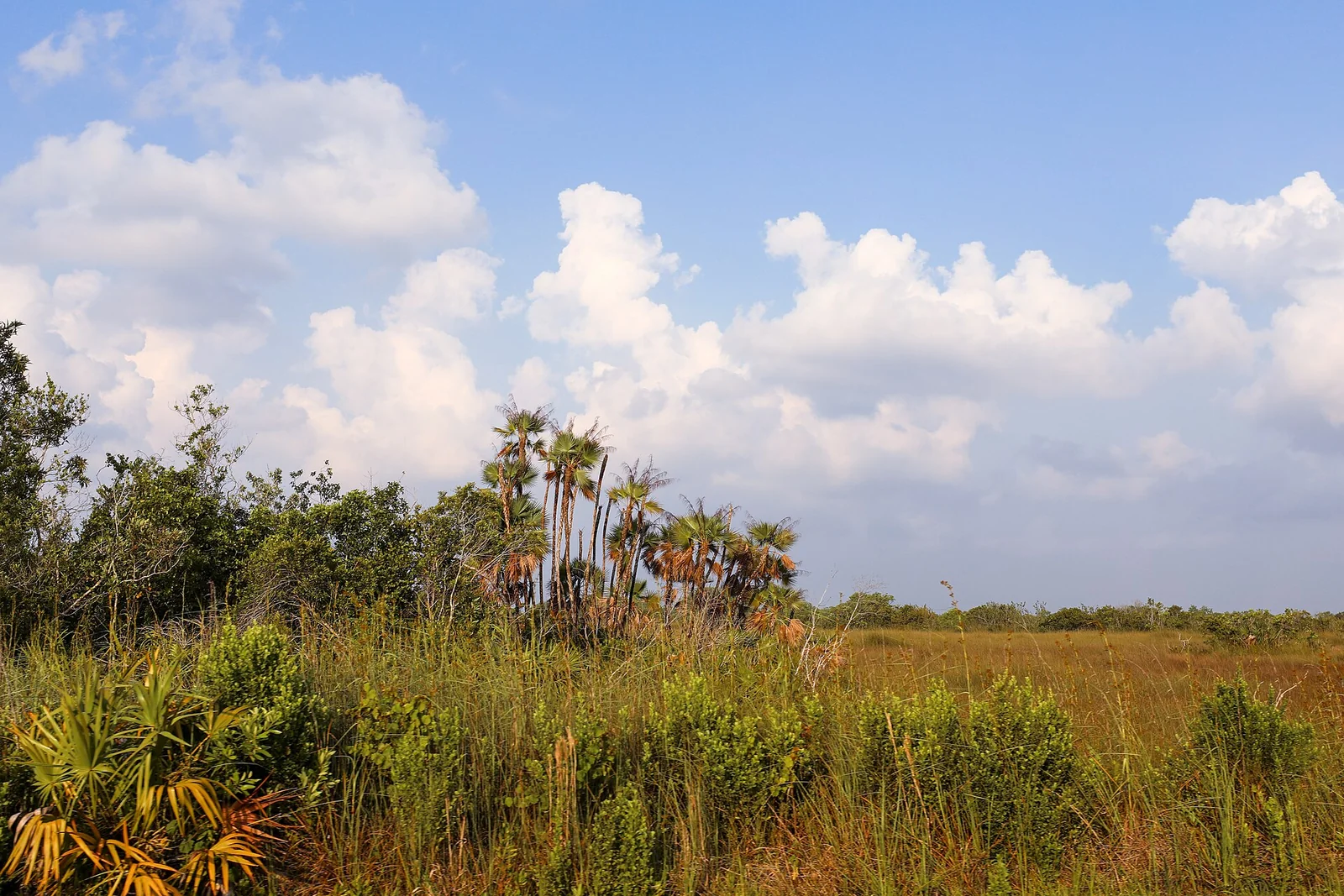
Anhinga Trail begins at the Royal Palm visitor area. Its 0.8-mile round trip is wheelchair accessible and passes through sawgrass marsh where alligators, turtles and birds may be visible. Choose it for repeated pauses rather than a distance goal. NPS suggests allowing 45 minutes to two hours for birdwatching, depending on what you find.
The winter dry season generally brings more wading birds; early morning can be useful for songbirds, while herons and anhingas may be active throughout the day. Summer is a different experience, with heat, humidity, insects and animals more spread out. Bring water, sun protection and insect repellent. Remain on the trail and keep at least 15 feet from alligators and crocodiles, farther if they react to you. Never block an animal’s path.
Grand Teton: give Oxbow Bend time
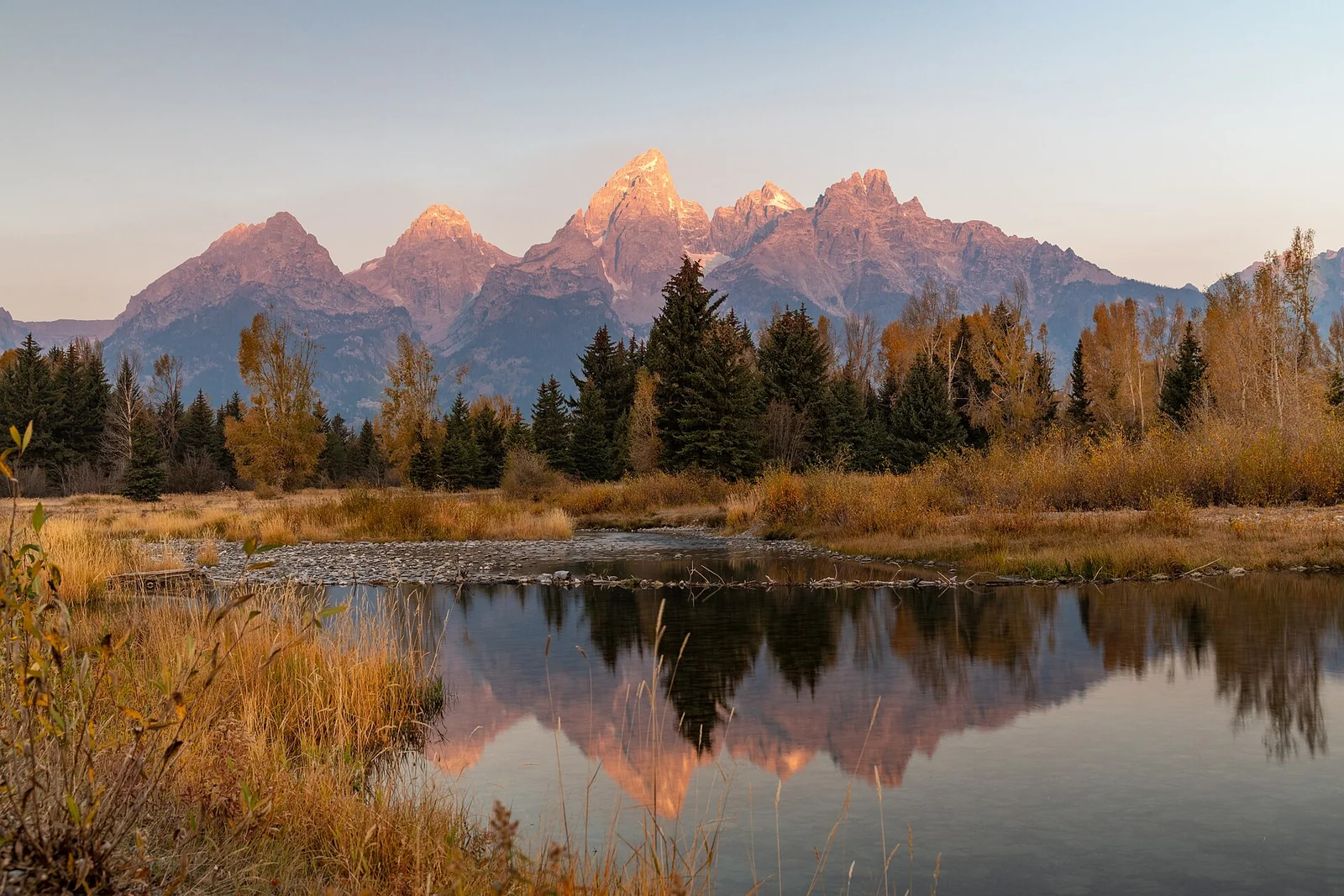
Oxbow Bend is a paved pullout on Highway 89/191 between Jackson Lake Junction and Moran Junction, with views from the parking area. The water and willows support a variety of birds and mammals. Scan the water, shoreline and vegetation slowly instead of looking only for a large animal; even without wildlife, the river and mountain setting give the stop a purpose.
This fits a traveler who wants a flexible pause rather than a full wildlife-focused day. Sunrise and sunset are popular here, so a particular light does not mean an empty turnout. Stay in legal viewing areas instead of pushing through willows. Grand Teton requires the same minimum distances of 100 yards from bears and wolves and 25 yards from other wildlife, whether you are on foot or in a vehicle.
Let access and conditions choose the final plan
Check the actual approach roads before committing to a dawn start. Most Yellowstone roads close to ordinary vehicles for much of winter; the northern route has a different access pattern. A summer map is not a winter itinerary. Look at the live road-status information and consider the return journey as carefully as the outbound one.
At Everglades, decide how long your group can comfortably stay outside in the forecast heat. At Grand Teton, fit the stop into an open, practical route. Weather, seasonal closures and an animal near the road can change all three plans. A delay is not a reason to hurry past speed limits or stop somewhere unsafe.
Leave with a better observation, not a closer encounter
Do not feed, call, bait or pursue wildlife. Keep food secured, supervise children and make room for animals to move away. If an animal approaches, retreat to preserve distance; a viewing rule is a minimum, not a target to walk toward. Follow any larger exclusion zone or instructions from a ranger.
Try recording one behavior: how a bird searches for food, how a herd moves together or where an animal disappears into cover. That gives everyone something to notice without needing a rare sighting. If nothing appears, enjoy the habitat and leave the next viewing opportunity to another day.
Explore the parks in this guide
Official sources & trip checks
NPS: Yellowstone wildlife watching ↗NPS: Yellowstone road access ↗NPS: Anhinga Trail ↗NPS: Birding along Anhinga Trail ↗NPS: Everglades safety ↗NPS: Grand Teton wildlife viewing ↗NPS: Oxbow Bend ↗NPS: Yellowstone wildlife distances and safety ↗Sources checked October 23, 2026. Independently researched by Parkly; not a firsthand trip report. Route order, light preferences and pace are editorial suggestions. Check official conditions for your travel dates.
How we make recommendations ↗