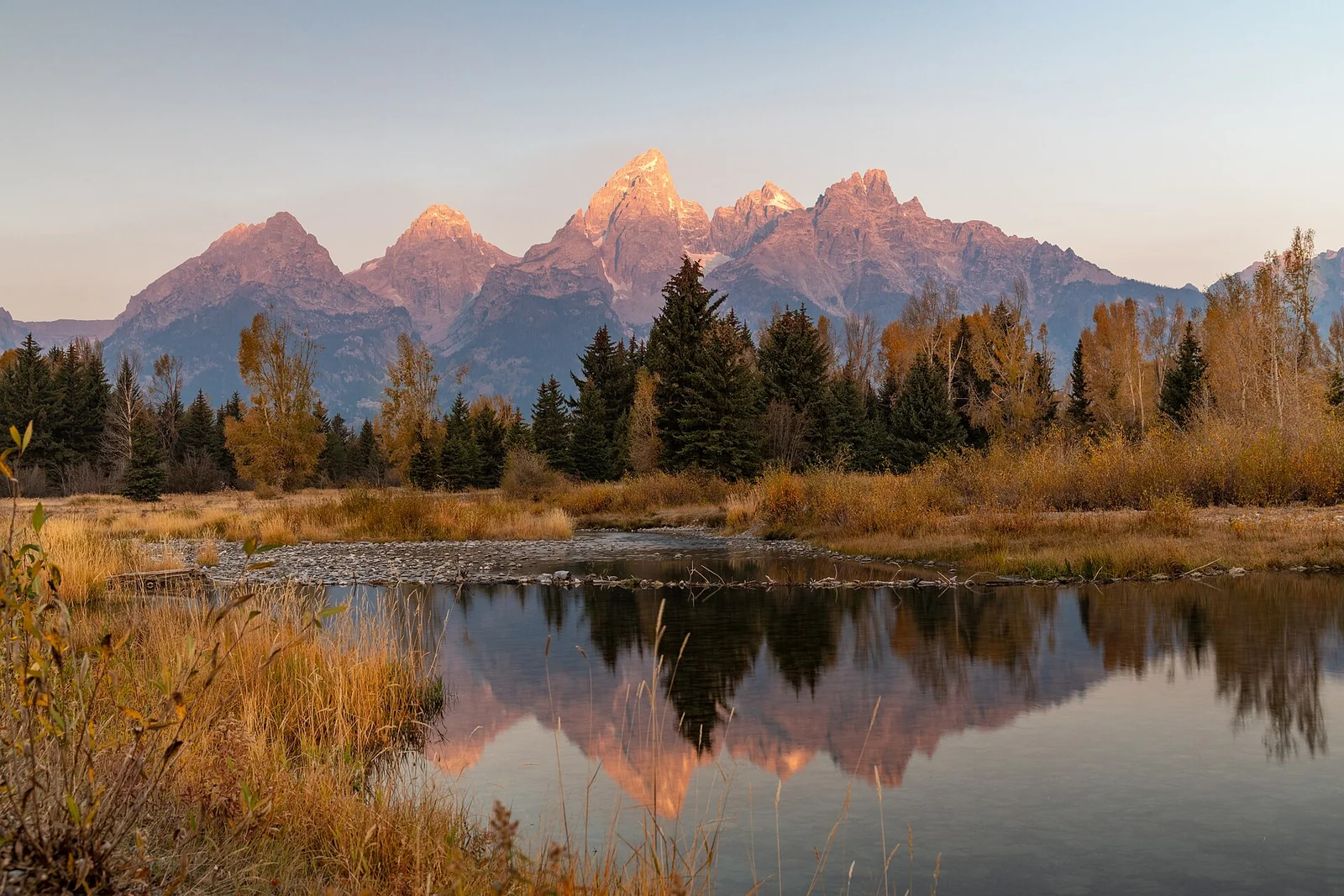
A season changes the trip
The same mountain park can mean open alpine roads in one season and a much smaller winter experience in another. Desert parks can be wonderful for cool-weather exploring, while summer heat changes what is sensible. Choose a travel month before you fall in love with one photograph.
Match the experience, not just the park
Ask what you actually want to do: walk among big trees, see mountain reflections, watch wildlife from a road or sit beside the coast. Then check whether the specific road, trail, boat or visitor service that makes that experience possible is operating. A park being open does not mean every part of it is accessible.
What does your kind of trip look like?
Let’s find a park that fits your pace and your plans.
Quiet can come with a trade-off
Lower visitation does not automatically mean a better trip. It can also mean fewer shuttles, closed roads, shortened daylight or limited lodging. Shoulder seasons can reward flexible travelers, but build a second option and avoid a route that depends on one uncertain mountain crossing.
Use our match as a starting point
Parkly’s seasonal suggestions are editorial guidance, not a live conditions forecast. Before you book, read the official park alerts. Before you leave, check them again along with weather, road information and any reservation requirements for your chosen activity.
Keep planning with official sources
National Park Service trip planning ↗Grand Teton conditions ↗Joshua Tree conditions ↗By Parkly · Updated October 22, 2026. An independently researched guide, not a firsthand trip report.