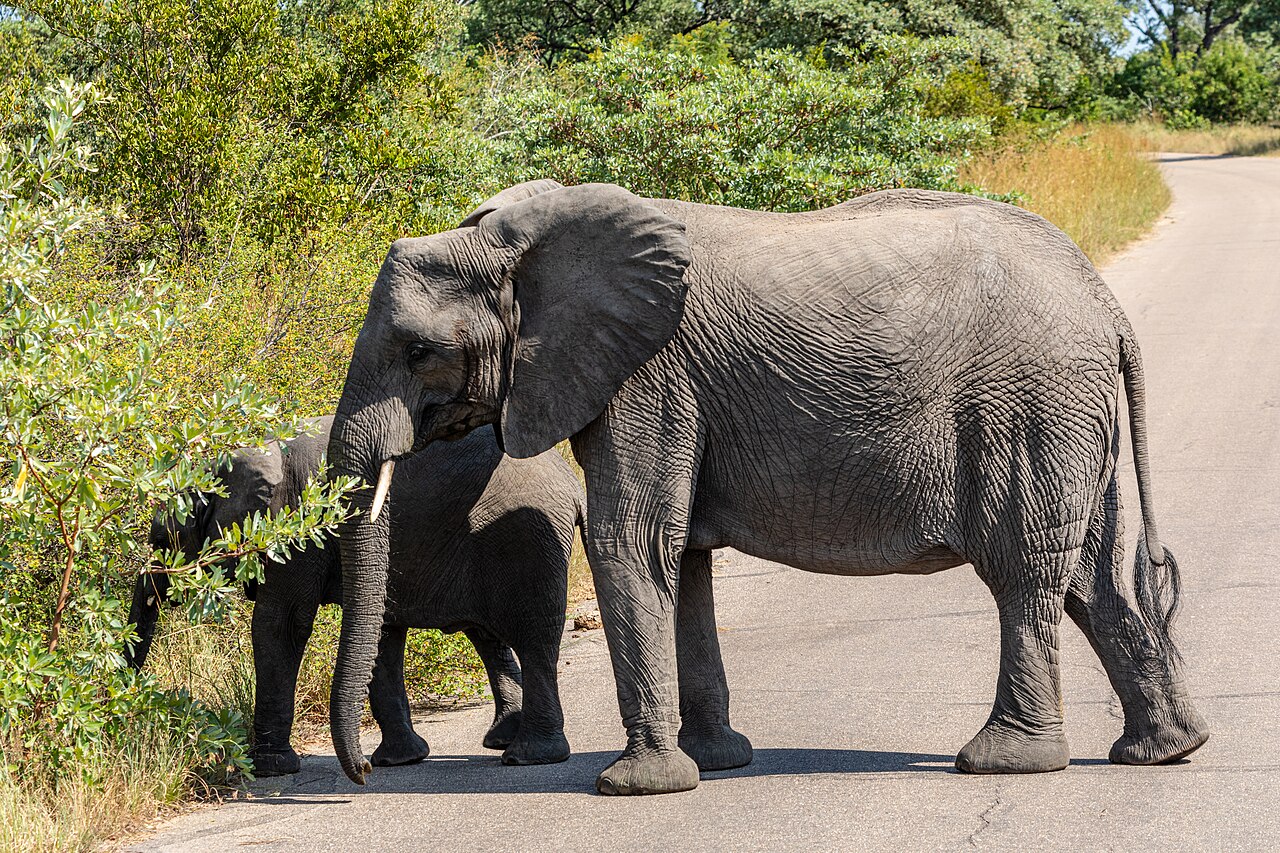
For better Kruger photographs, build a short legal driving loop with time to wait, prepare your camera before moving and keep everyone properly inside the vehicle outside designated exit areas. A flexible stop is more useful than a long species checklist. Choose guided outings instead when you want someone else responsible for driving, while checking whether their format suits photography.

This guide is for ordinary personal photography from permitted roads and visitor areas. It does not authorize off-road access, leaving the vehicle or commercial filming.
Agree who is driving and who is looking
The driver must manage the road, animals, other vehicles and park rules. Discuss that role before the morning starts rather than assuming they can photograph every sighting too. Passengers can help notice the surroundings and communicate calmly, but should not pressure the driver to make a sudden stop or maneuver for a frame.
Choose a route that leaves time to turn back comfortably. SANParks recommends slow travel and regular stops rather than covering too much ground. If photography matters to the whole group, a nearby loop can give you more useful waiting time than a long journey to a reported animal that may already have moved. Make the return deadline visible in the plan.
Prepare the camera before the encounter
Check batteries, storage and the controls you expect to use while stationary in camp or another permitted place. Keep equipment secure and within reach without interfering with seat belts or the driver. A complicated lens change in a crowded vehicle can cost more attention than it adds to the photograph.
A phone can record the wider landscape and the scale of an animal in its surroundings, while binoculars let you observe details without demanding a close image. If using a camera, practice adjusting to changing light before the trip. Do not judge the visit by whether your equipment can fill the frame with every distant subject. Often the wider picture tells the place more honestly.
Let light influence the route without overruling the rules
SANParks notes that early mornings and evenings are often productive for viewing wildlife. Work within the current gate and camp hours rather than assuming a sunrise or sunset photograph permits earlier or later independent travel. Check the applicable times before leaving, and build the return with enough margin to stop when something unexpected appears.
Watch the direction of light from a safe, permitted position. If the view is awkward, consider a wider composition or put the camera down for a while. A photograph does not need perfect front lighting to record behavior or atmosphere. Moving repeatedly around an animal can reduce the experience for everyone and should never become the default solution to an inconvenient angle.
Keep the entire encounter inside the vehicle boundary
The park’s rules require visitors to remain in vehicles except in designated places, with doors closed and no body parts protruding through windows or sunroofs. Off-road driving, feeding or disturbing animals and unauthorized drone use are prohibited. These limits define the photograph you can make; a quiet road does not create an exception.
Only stop where it is safe and permitted, leave space for traffic and follow ranger directions. If animals move toward or across the road, prioritize space and their passage rather than maintaining your composition. Do not create an exit from the vehicle to retrieve an item or gain a lower viewpoint. Wait, change the framing or let the picture go.
Photograph behavior without demanding a performance
When safely stopped, give an ordinary scene time to develop. Notice how an animal moves through vegetation, interacts with its surroundings or disappears again. Avoid making sounds to attract attention. A brief look in your direction is not more valuable than undisturbed behavior, and a partly hidden subject is still a real wildlife encounter.
Be considerate when several vehicles share a sighting. One person’s long session should not become an obstruction for everyone else. Discuss a reasonable pause with companions, and remember that they may want to watch rather than photograph. Leave before the return schedule becomes tight. The goal is a memorable safari with pictures, not a road journey governed entirely by a shutter button.
Choose a guided option for the right reason
A guided drive can let you concentrate on observing while another person handles the route and driving. Before booking, ask about vehicle seating, group size, duration and whether the outing is intended for general viewing or a photography-focused group. Do not assume a standard shared activity will stop for as long as your personal project requires.
At the end of the day, select a few pictures that show different scales: the setting, an animal within it and a small detail. Keep a note of uncertain identifications rather than assigning a species for a more impressive caption. A patient route can remain worthwhile even when the best encounter produces a memory instead of a sharp photograph.
Explore the parks in this guide
Official sources & trip checks
SANParks: Visitor tips and viewing pace ↗SANParks: Vehicle, road and wildlife rules ↗SANParks: Seasonal conditions ↗Sources checked October 25, 2026. Independently researched by Parkly; not a firsthand trip report. Route order, light preferences and pace are editorial suggestions. Check official conditions for your travel dates.
How we make recommendations ↗