For a first Kruger visit, choose one main camp and explore nearby roads instead of trying to cross the park. Self-driving works when you want control over stops and are comfortable handling the rules and logistics. A guided trip suits travelers who want help with spotting and driving, provided arrival and departure transfers are included.

This plan suits wildlife beginners and people who want a slower safari over several days. It is not a walking holiday, and it cannot guarantee particular animals. Most independent wildlife viewing takes place from your vehicle.
Choose who will handle the driving
Self-driving lets you stop when something catches your attention and leave when you are ready. You also manage navigation, fuel, gate times and safe vehicle behavior. The driver has a different day from the passengers, so discuss breaks and attention before booking. A rental car is useful only if the whole group is comfortable with that division.
For a guided version, examine the complete itinerary. Airport pickup, reaching your accommodation and leaving the park are separate needs from a scheduled game drive. A camp activity alone does not replace transport for the rest of the trip. Ask whether the same arrangement covers every connection and where you will actually sleep.
Choose a camp before choosing the entrance gate
Your first night’s camp should determine your arrival route. SANParks publishes directions and park driving allowances; use these rather than treating the map like a fast road network. Skukuza, for example, is closer to Paul Kruger Gate than to several alternative gates. Select the gate that fits your camp and outside approach, not the one with the most familiar name.
For a short first visit, staying in one camp reduces packing and transit. Compare facilities at that specific camp, including food options and any activities you want. A longer stay may justify a second base, but the transfer becomes part of the safari day. Keep a realistic arrival margin before the published closing time.
Build a day around one modest loop
Use the first morning to learn the pace. Follow an open public road near camp, stop safely and allow time to watch ordinary scenes. SANParks recommends slow travel rather than covering too much ground. A distant sighting report is not a reliable reason to abandon your whole route; the animal may move before you arrive.
Return to camp or a designated stop for a break. Decide on the afternoon loop only after checking everyone’s energy, fuel and return time. Keep enough margin to enjoy an unexpected stop on the way back. A route that requires constant progress leaves no room for the very thing that makes a wildlife drive worthwhile.
Where you may get out of the vehicle
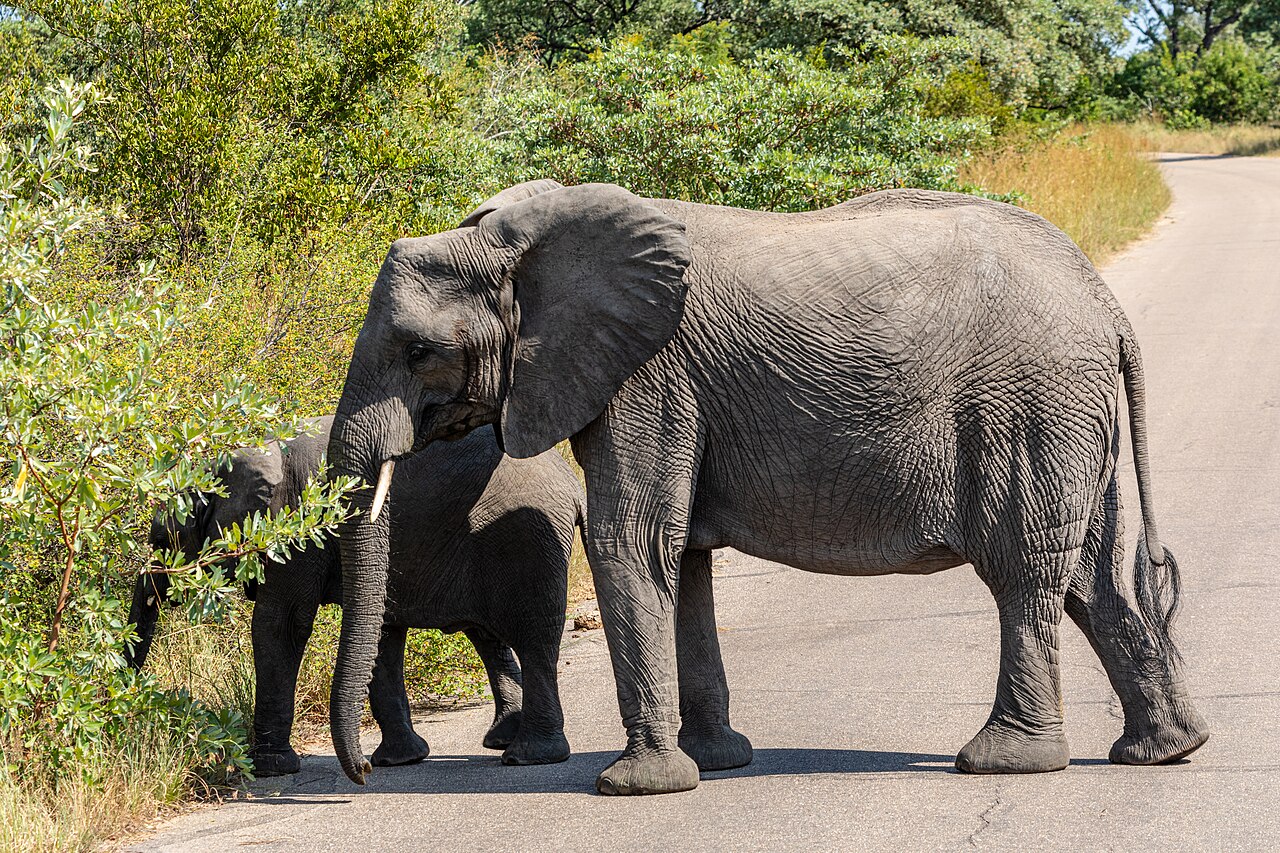
Outside designated places, remain inside the vehicle with doors closed. Do not lean out through windows or sunroofs, approach animals or leave the road to get a better angle. Park roads are a viewing opportunity, not permission to walk into the landscape. Follow signs and ranger instructions wherever they are more restrictive.
Gate hours vary by season, and your own drive must finish within the permitted hours. Check both your entrance and camp arrangements instead of assuming they are identical. Leave a sighting in time to return calmly. If watching something longer would make you late, the decision has already been made by your route and the closing time.
Add a guided outing for a different perspective
SANParks offers scheduled game drives, including sunset and night departures at participating locations. These can add interpretation and a different time of day to a self-drive visit. Reserve the actual departure you want, confirm where to meet and review the activity rules. SANParks scheduled game drives do not admit children under six.
A night drive with an authorized operator does not mean you may drive around after hours on your own. Keep the following morning flexible if a late activity will leave the group tired. One well-chosen guided outing can be enough; there is no need to fill every available time slot simply because the booking page offers it.
Pack for your season and leave the animal list open
The drier months bring more open vegetation, while summer rain makes the landscape greener and can make animals harder to see through the growth. Winter mornings and evenings can feel cold even when afternoons are pleasant. Choose clothing for the actual season and vehicle type, and review SANParks health guidance before obtaining personal travel-health advice.
Give each person a small theme to notice: birds, behavior, water, light or landscapes. This helps the day remain interesting between large-animal sightings. Check current road notices, identification requirements and activity confirmations before arrival, then let the trip become less scheduled once you are there. Patience is easier when the practical details already have a place.
Explore the parks in this guide
Official sources & trip checks
SANParks: Kruger vital information ↗SANParks: Kruger visitor tips ↗SANParks: Entrance gates ↗SANParks: Distances and directions ↗SANParks: Getting to Kruger ↗SANParks: Guided game drives ↗SANParks: Kruger climate ↗Sources checked October 24, 2026. Independently researched by Parkly; not a firsthand trip report. Route order, light preferences and pace are editorial suggestions. Check official conditions for your travel dates.
How we make recommendations ↗