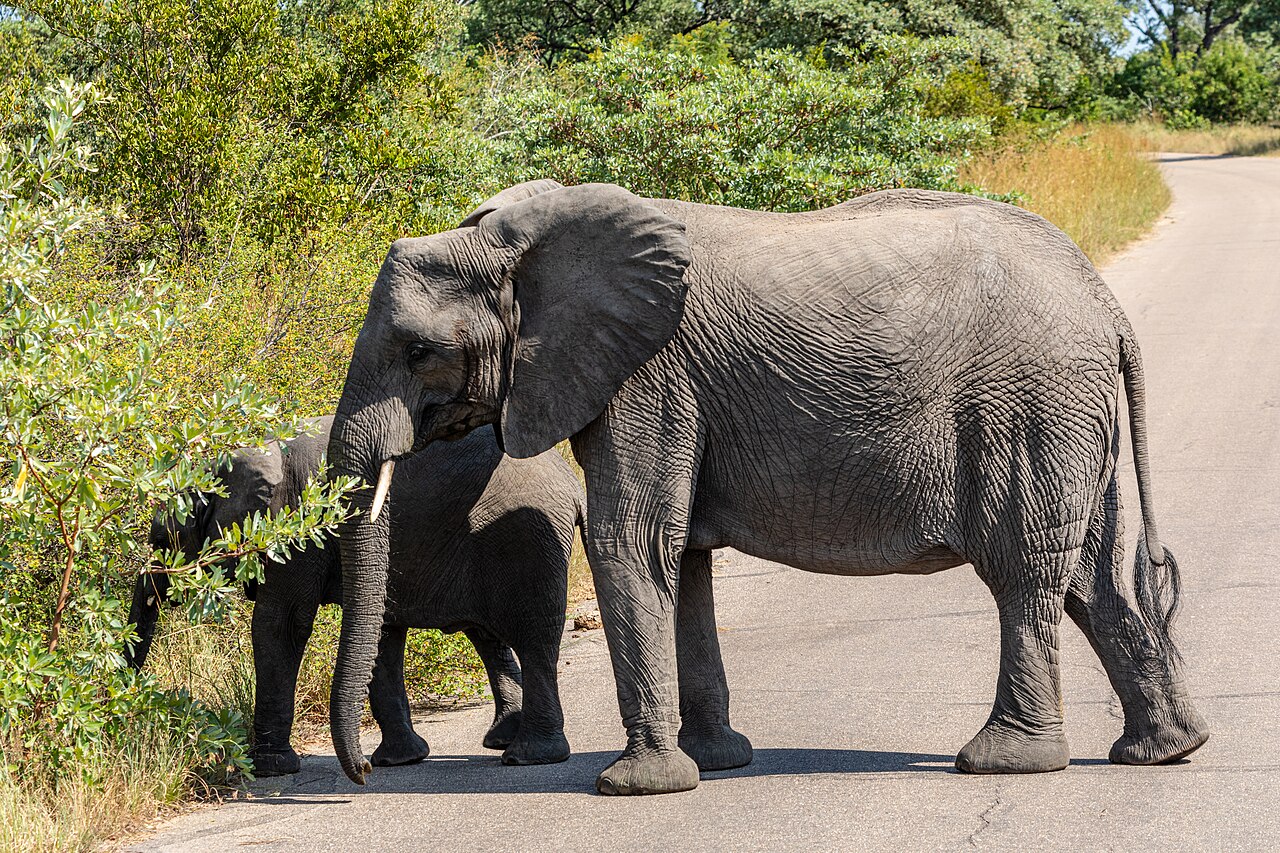
Choose the drier winter period if easier visibility through sparse vegetation is your main priority, while preparing for cold early starts. Consider the rainy summer period if a greener landscape appeals and you can keep the day flexible around heat and storms. Neither season guarantees animals, and current road conditions matter more than a general best-month label.

This guide helps with season and comfort decisions after you have chosen Kruger. It is not a forecast, a wildlife guarantee or personal medical advice.
Separate a seasonal pattern from your travel date
SANParks describes roughly October to March as the rainy summer period and April to September as the drier period on its visitor climate page. Its scientific climate material uses a slightly broader hot-season range. Treat the boundaries as an overview rather than a switch that changes the landscape on the first day of a month.
Choose dates with the whole journey in mind, then check current information as departure approaches. Accommodation availability, how many full park days you have and whether your group enjoys early starts can matter as much as the season label. An extra unhurried day may suit your interests better than a short, expensive trip squeezed into an allegedly perfect week.
Understand what the dry-season advantage means
The park explains that thinner vegetation and more limited water can improve traditional wildlife viewing in the drier months. That is a reason to consider the period, not a promise that every waterhole will produce a dramatic encounter. Animals still move, and a patient local route remains more useful than racing between reports.
Dry days can feel pleasant while the early and late parts of a safari are cold, especially in an open vehicle. Ask what your booked activity provides and bring appropriate warm layers. If cold starts make someone miserable, plan a later independent outing within permitted hours or choose fewer guided departures rather than assuming enthusiasm will replace comfort.
Choose green scenery knowingly
Summer rains can make the landscape lush and flowering, while denser foliage can make animals harder to see. Decide whether you would enjoy the vegetation, changing skies and ordinary details even when a distant sighting remains obscured. A trip focused only on collecting close portraits may feel different from one interested in the whole setting.
Leave room for heat and rain in the day. Choose a manageable route near your base and check notices after significant weather. Do not assume a road is suitable merely because it appears on the map. A rest period can be part of a satisfying safari rather than evidence that you failed to maximize your time outside.
Pack for the actual vehicle and schedule
For a self-drive visit, keep water, a hat, camera and binoculars accessible without cluttering the driver’s space. Use layers you can adjust while remaining properly inside the vehicle. If you have a scheduled guided drive, ask about its duration and conditions instead of assuming the same outfit suits a midday car journey and a colder open-vehicle departure.
Bring rain protection for essentials in wetter conditions and warm clothing for cool starts or nights. Check your chosen accommodation’s facilities before deciding what food or equipment to bring. Avoid packing so much for hypothetical situations that the things you use every hour become hard to reach. A simple, organized bag improves comfort in either season.
Keep rules and health preparation independent of season
Gate times change through the year. Confirm the hours applicable to your entrance and camp, and plan to finish within them. A beautiful evening does not authorize independent driving after closing. Current road restrictions and ranger instructions also take priority over an itinerary that worked for someone during a previous season.
SANParks identifies Kruger as a malaria area and advises visitors to follow their doctor’s guidance. Obtain personal travel-health advice before departure rather than treating a dry-season booking as a medical decision. Keep any personal preparations separate from the question of which landscape you prefer, and allow enough planning time for advice relevant to your circumstances.
Use one priority to choose between available dates
Compare the options you can actually book. Is your first priority clearer views through vegetation, greener surroundings, tolerable temperatures, a particular accommodation or enough time for a slower visit? Rank those factors with your companions. A shared answer is more useful than a generic calendar declaring one month best for everybody.
Whichever date you select, reserve some attention for scenes that were not on your wish list. A bird beside the road, light on the vegetation or a long quiet pause can become the part you remember. The season shapes the setting; a flexible route and realistic expectations determine how much of it you notice.
Explore the parks in this guide
Official sources & trip checks
SANParks: Kruger visitor climate overview ↗SANParks Scientific Services: Climate and rainfall records ↗SANParks: Visitor tips ↗SANParks: Vital information and rules ↗Sources checked October 25, 2026. Independently researched by Parkly; not a firsthand trip report. Route order, light preferences and pace are editorial suggestions. Check official conditions for your travel dates.
How we make recommendations ↗