For a first stargazing trip, choose Joshua Tree for a viewing area beside your car, Great Basin for a night built around darkness, or Bryce Canyon if a ranger astronomy program sounds more inviting than identifying everything yourself. Then choose a night when the moon and clouds leave room for the stars. A famous dark-sky designation cannot compensate for an overcast forecast.

For travelers who would happily swap another daytime stop for an unhurried evening outside. You do not need a telescope, a long hike or a photograph of the Milky Way to enjoy these places.
Check the moon before choosing the date
If seeing faint stars or the Milky Way is the priority, look for a dark viewing window: check the moon phase and its local rise and set times, then the end of evening twilight. A new moon is a useful starting point, but the time the moon is actually above the horizon matters too. Pick a window you can stay awake for without making the drive back exhausting.
A bright moon creates a different outing. It can make the landscape the attraction while washing out faint stars. Keep the booking if that sounds enjoyable; change the date if deep darkness is the whole reason for traveling. Use a star chart for your location and season rather than assuming every night offers the same sky.
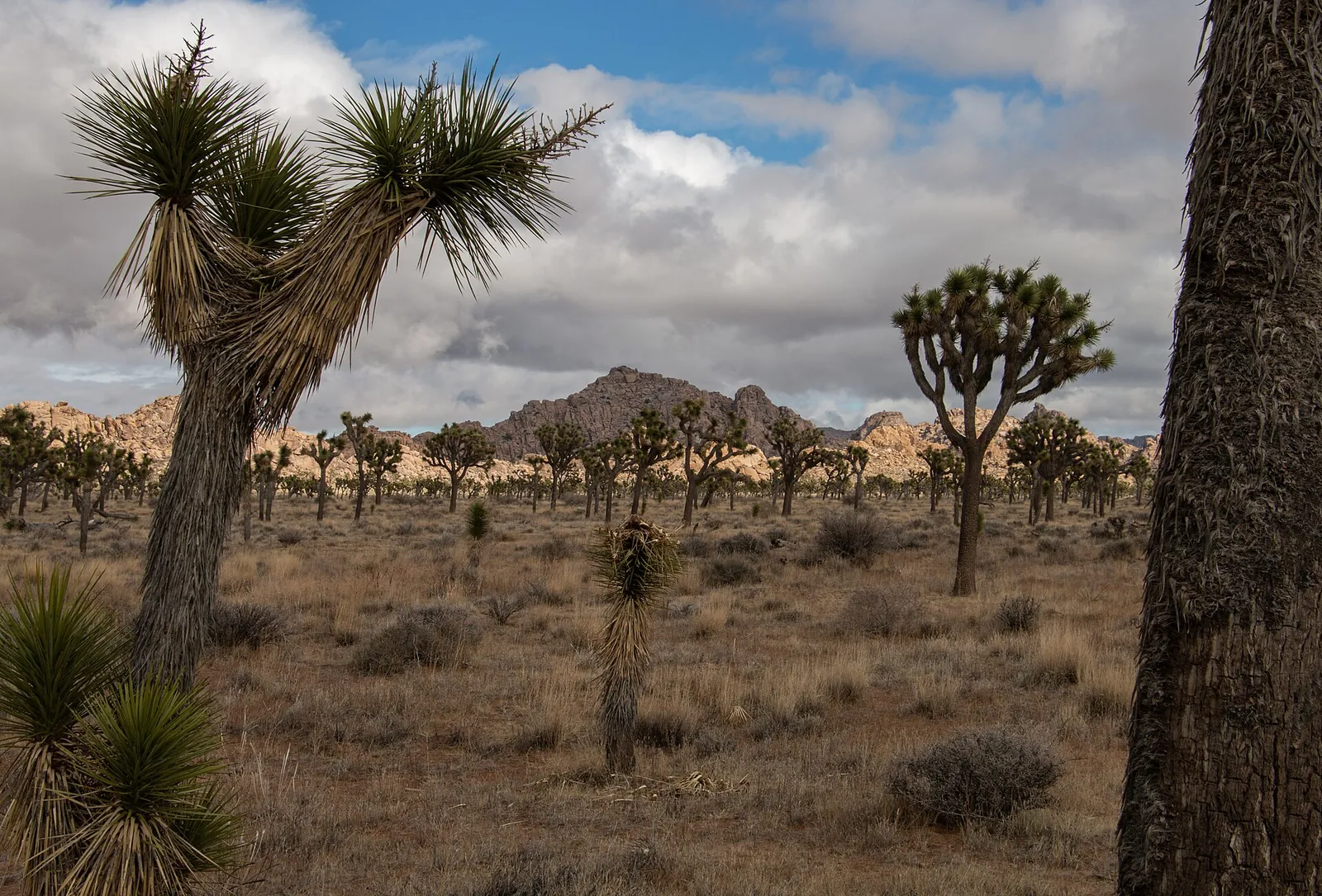
Joshua Tree: make the first night simple
Joshua Tree designates the parking lots at Quail Springs, Hidden Valley, Cap Rock and Ryan Mountain for stargazing. Choose one that fits your daytime route, arrive before dark to orient yourself and keep your setup out of vehicle routes. NPS instructs visitors at these areas to remain awake and within 20 feet, or six meters, of their vehicle.
This is a useful choice when easy retreat matters more than finding the most remote location. Bring a chair, water, warm layers and a red light. Parking areas are not overnight campsites, and areas marked day use close from dusk to dawn. If you want to sleep in the park, arrange an actual campsite; do not turn the stargazing stop into one.
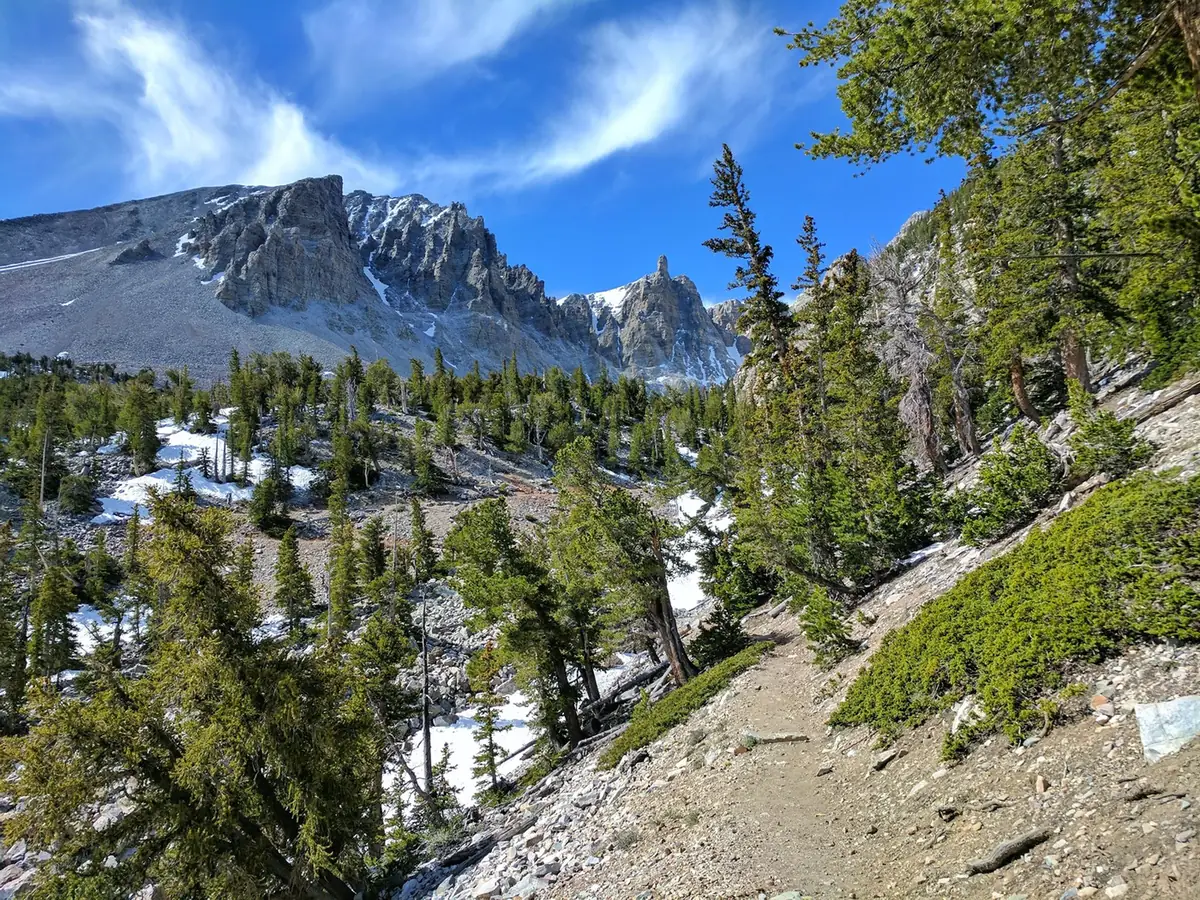
Great Basin: make the night the main event
Great Basin lists the Astronomy Amphitheater near Lehman Caves Visitor Center and the Ranching Exhibit along Highway 488 among its viewing locations. These give you alternatives to driving higher up Wheeler Peak Scenic Drive. Mather Overlook is another listed option, but seasonal snow and road closures can remove it from the plan; check access before selecting it.
Choose Great Basin when you want to give a remote destination an overnight stay, with food, fuel and lodging settled before evening. The listed viewing sites do not allow overnight camping. Once outside, allow roughly half an hour for your eyes to adjust and keep bright screens put away. Binoculars can add detail, but spending time looking is more valuable than bringing unfamiliar equipment.
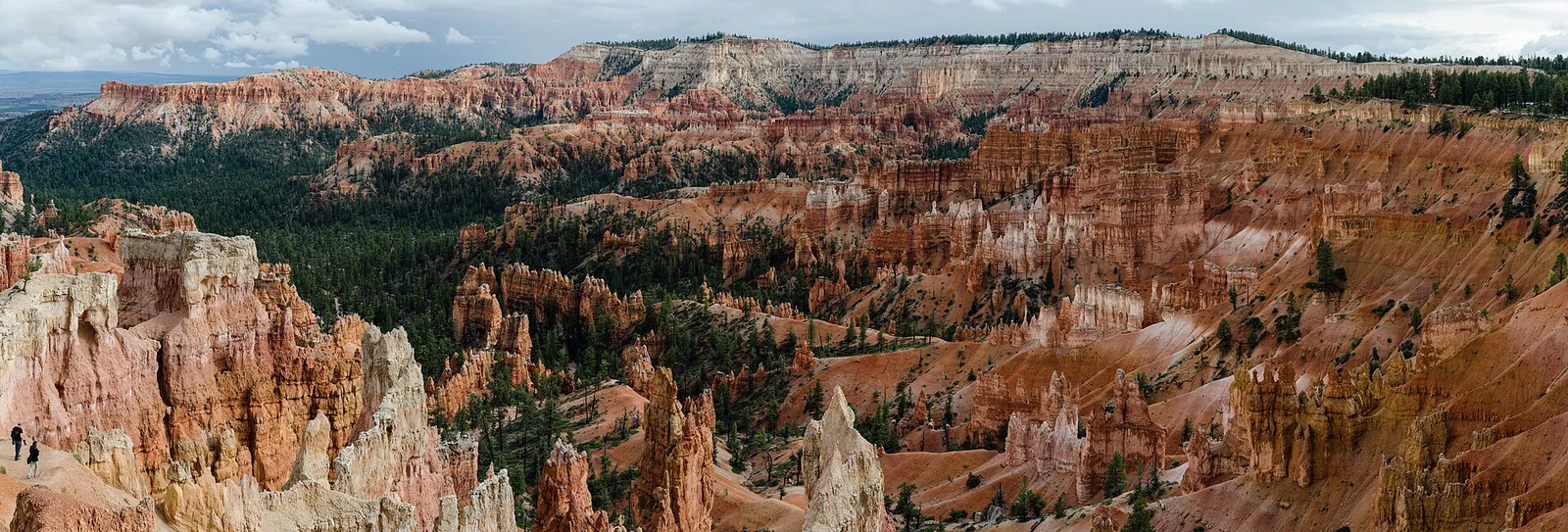
Bryce Canyon: let someone introduce the sky
Bryce Canyon suits travelers who like the idea of a shared astronomy experience. Check its current ranger calendar for the date, meeting point and participation requirements; an evening talk does not automatically include telescope viewing. Programs depend on weather and can be canceled. Choose nearby lodging so attending an evening event does not force a long late drive.
A full-moon hike is a separate activity, with its own tickets, footwear rules and walking commitment. It is not a substitute for a telescope program or a casual rim stop. Decide whether you want a guided walk or a seated look at the sky, then book the experience that actually matches. Do not improvise a descent among the hoodoos after dark.
Plan for one comfortable hour
Before sunset, identify the legal parking area, the route back to your accommodation and where everyone can use a restroom. Save the route offline. Add warm layers before you get cold, protect your night vision with a red light, and keep lights away from other viewers. Let someone choose one constellation or bright object to find; the evening needs no longer checklist.
Keep the session short enough that your driver remains alert. A relaxed hour close to your overnight base can be a better choice than another hour of driving for a marginally darker spot.
What if the sky does not cooperate?
Check clouds, wind, smoke, temperature and road alerts again before leaving for the viewing area. If lightning threatens, stay indoors or in an enclosed hard-top vehicle; skip the outdoor session. If the issue is cloud cover alone, use another evening when your itinerary allows, attend an indoor talk if one is available, or keep the night for dinner and rest.
Build the trip around a landscape you also want to see in daylight. That way, stars are the reason to linger rather than the only condition under which the visit feels worthwhile.
Explore the parks in this guide
Official sources & trip checks
NPS: Joshua Tree stargazing ↗NPS: Great Basin independent stargazing ↗NPS: Great Basin conditions and road access ↗NPS: Bryce Canyon astronomy programs ↗NPS: Bryce Canyon current conditions ↗NPS: Lightning safety ↗Sources checked October 23, 2026. Independently researched by Parkly; not a firsthand trip report. Route order, light preferences and pace are editorial suggestions. Check official conditions for your travel dates.
How we make recommendations ↗