Prioritize sunrise when an early start fits your lodging and you want to watch the landscape gain detail. Choose sunset when a relaxed arrival and a clear return plan fit better. At Grand Canyon, Bryce Canyon and Arches, the viewpoint’s access matters as much as the time on the clock.

For casual photographers and travelers who want one memorable light session without turning every day into an early alarm followed by a late night.
Choose the mood before setting the alarm
Sunrise asks you to organize the difficult part first: waking, traveling and finding your place before the scene is fully visible. Once it is over, the day lies ahead. Sunset lets you scout in daylight, but the journey back happens when you may be tired. Neither is automatically less crowded, and a famous viewpoint can attract people at either end of the day.
For a short visit, choose one session and protect it. A morning person may enjoy breakfast after the view; someone who likes long dinners may prefer an early session so the evening stays free. If the group wants different things, choose an easily reached viewpoint where people can stay for different lengths of time without losing their return transport.
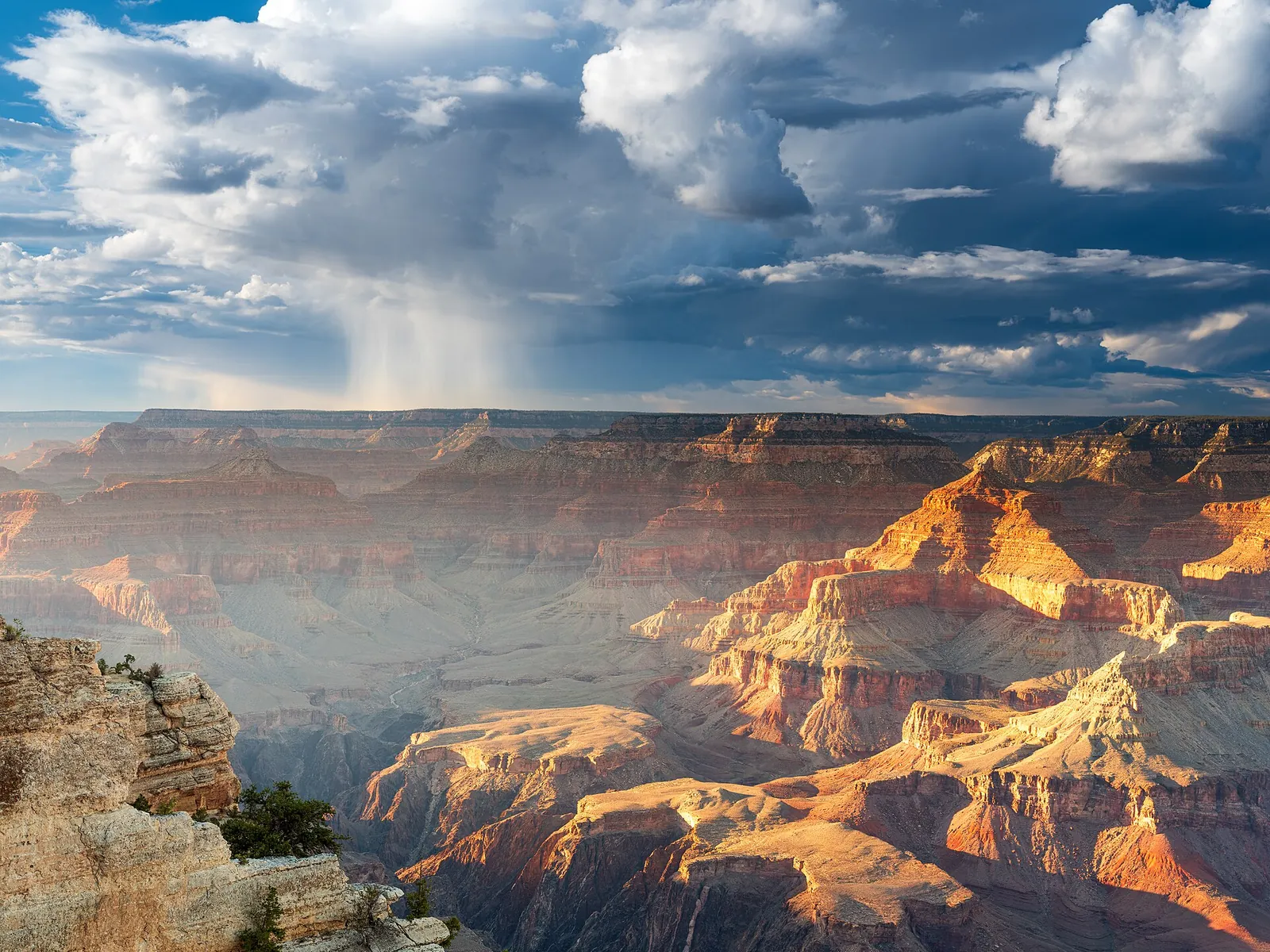
Grand Canyon sunrise: Mather first, Yaki with a bus check
NPS suggests Mather and Yaki Points for sunrise. Mather works well when you want a familiar visitor-center starting area and a rim view without a long approach. Visit the route in daylight if possible, note the legal parking or walking access from your lodging and bring a light. Arrive before the published sunrise time so you can settle without hurrying near the rim.
Yaki is a different transport decision: it is closed to private vehicles, and the Orange route serves it. Compare the first bus with sunrise on your exact date; a shuttle appearing on a map does not prove it runs early enough. If that connection does not fit, choose a reachable viewpoint instead of adding an unplanned dark walk along the road.
Grand Canyon sunset: Hopi only with the return sorted
Hopi Point is a well-known sunset choice with broad canyon views, and NPS notes that it draws crowds. Treat the wait and shared space as part of the outing. Bring a layer, choose a safe position behind barriers and look at changing shadows across the canyon rather than concentrating only on the sun.
Hermit Road normally restricts private cars during its seasonal shuttle period. Check the Red route’s current final departures and the onward connection to your lodging. In the published fall 2026 schedule, the last sweep was one hour after sunset; that is not a promise for every season. Decide which bus to catch before settling in, and do not let a photograph turn a comfortable ride into an uncertain walk.
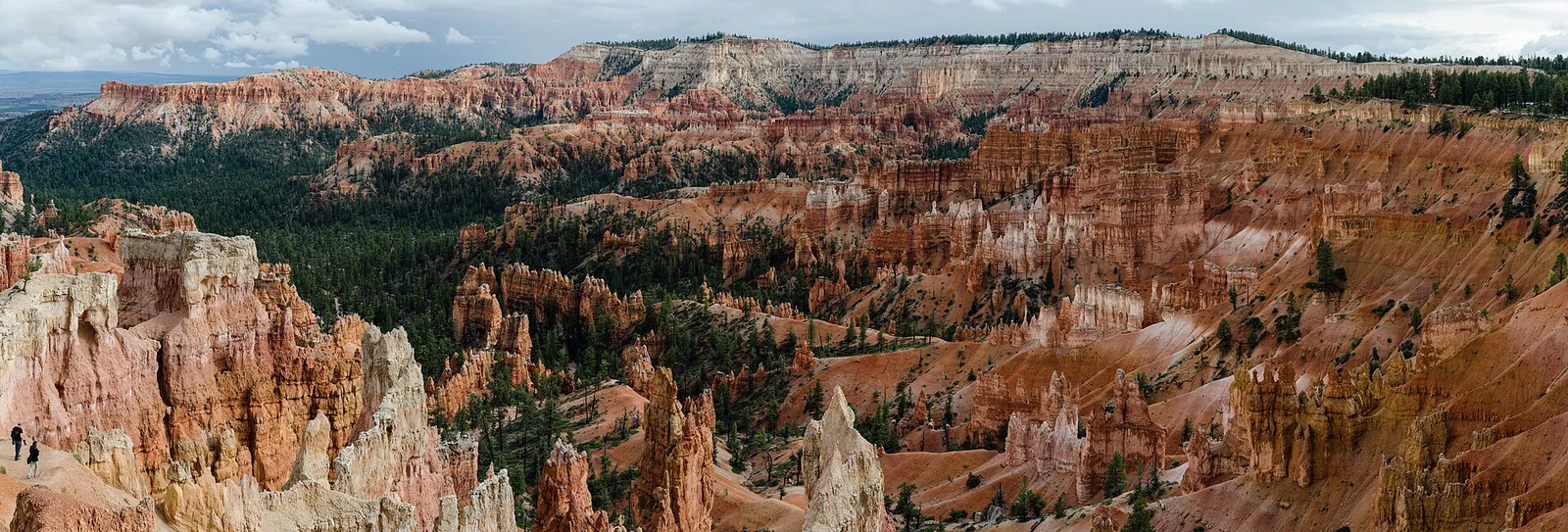
Bryce Canyon: the names do not choose for you
Sunrise Point and Sunset Point are not exclusive appointments with their namesake times. NPS describes Sunrise Point as rewarding at both daybreak and day’s end. Choose the viewpoint that suits your approach and the angle you enjoy. For a straightforward comparison in daylight, the paved rim section between them is one mile round trip.
Keep a light session on the rim if you do not want a climb out after dark. A trail descending among the hoodoos is a separate commitment, even when its entrance sits beside the viewpoint. Cold, snow or ice can change the suitability of a short paved walk, so check conditions and adjust the plan.
Bryce’s shuttle is seasonal and its published 2026 operation began at 8 a.m., too late to serve a normal sunrise visit. Evening closing times also varied by season. Arrange legal parking or a confirmed walk from your lodging for dawn, and verify the actual last stop time for an evening outing. Do not assume the bus waits for the light to finish.
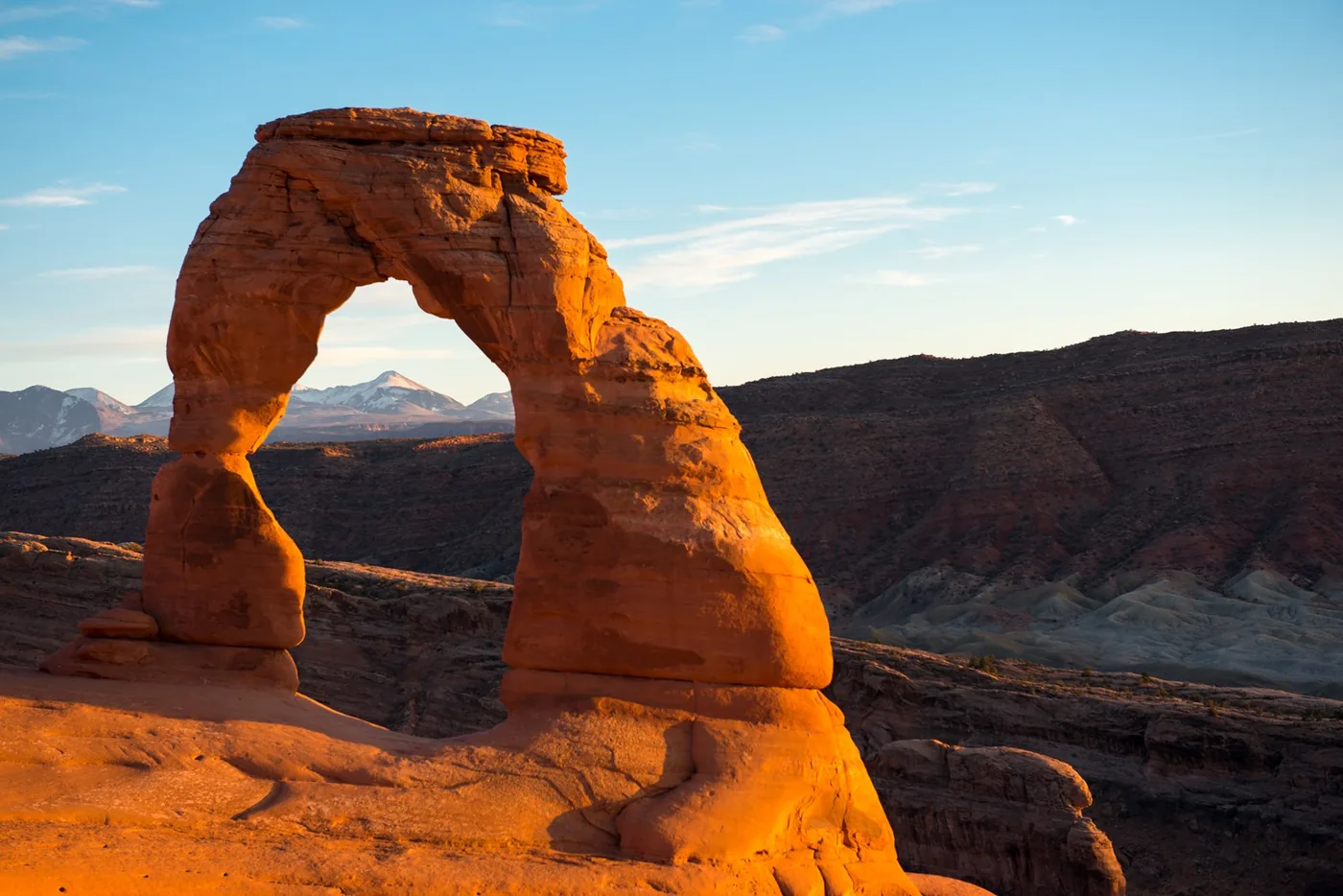
Arches: choose the formation, then choose the light
In the Windows area, NPS lists Turret Arch and Double Arch among early-morning photography choices, and North and South Windows among late-afternoon choices. Those suggestions concern light on the formations, not a guarantee of seeing the sun cross the horizon. Decide whether you want warm rock, a silhouette or a wider sky before chasing an exact sunset minute.
The Windows trail becomes uneven and includes stone steps beyond its initial level section. Scout the portion you intend to walk while it is light and keep the return within your comfort level. Stay on designated surfaces to protect fragile soil, leave room for other visitors and check the park’s current entry and road information. You can enjoy changing light without committing to the longer Delicate Arch hike.
Make the return part of the plan
Write down three times: when to leave your base, when to stop extending the outing and when to expect to be back. Account for the walk to the viewpoint, not just the drive to its parking lot. Carry a working light and a warm layer even if your intention is to finish before dark; a phone battery has several jobs already.
Clouds may hide the expected color while revealing a completely different scene. If conditions are safe, try a closer detail or simply watch for a while. If thunder, severe wind or hazardous footing develops, leave for appropriate shelter rather than waiting for better light. A satisfying session ends with everyone comfortably back, even when the most memorable moment never becomes a photograph.
Explore the parks in this guide
Official sources & trip checks
NPS: Grand Canyon sunrise and sunset choices ↗NPS: Grand Canyon shuttle routes and seasons ↗NPS: Bryce Canyon Sunrise Point ↗NPS: Bryce Canyon walking routes ↗NPS: Bryce Canyon shuttle calendar ↗NPS: Arches photography and light ↗NPS: The Windows terrain and access ↗Sources checked October 23, 2026. Independently researched by Parkly; not a firsthand trip report. Route order, light preferences and pace are editorial suggestions. Check official conditions for your travel dates.
How we make recommendations ↗