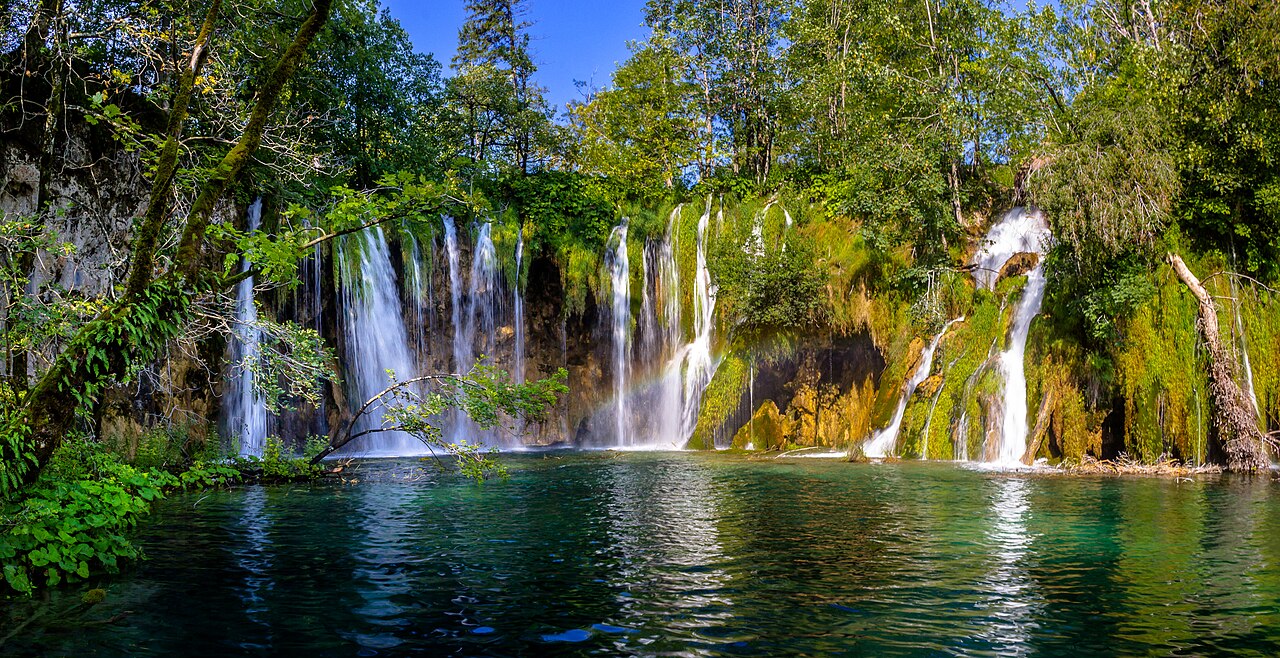
Plitvice can be rewarding outside summer when you build the visit around the route and services actually open on your date. Spring, autumn and winter are different trips, not interchangeable quiet seasons. Check the current entrance hours, lake programmes and boat or vehicle departures before booking a tightly timed arrival or imagining a complete circuit of every lake.

For travelers considering a cooler-season visit and willing to choose a shorter route when needed. Lower visitor numbers, colorful foliage, snow and particular water conditions are possibilities, not promises for a given day.
Choose what you want from the cooler season
If you mainly want walking with breaks, compare the forecast and daylight with your comfort in cool or wet conditions. If photography leads your trip, leave room to revisit a view without depending on a particular color or snowfall. Choosing the experience first helps you decide how flexible your travel dates need to be.
Winter needs a different expectation from a mild autumn visit. The park’s FAQ says the Lower Lakes are usually open in winter while the Upper Lakes close, with access dependent on conditions. Treat this as the general seasonal pattern, then check current notices; it is not a guarantee that any chosen route will be available.
Check the route, transport and opening hours together
The official hours page separates entrance times, ticket sales, electric boats and panoramic vehicles. Read the services relevant to your route instead of noting only the time the park closes. A route that uses a boat needs to reach its departure in time, and the last useful connection may be earlier than the general closing hour.
Check again shortly before traveling because weather can change access. Ask the information office which programme is currently practical from your intended entrance. If the answer differs from your saved itinerary, update the plan before buying a timed ticket or organizing a driver around the old finish location.
Make the morning useful without overloading the day
Arrange an arrival that gives you a comfortable walking window after entry formalities. Start with the part of the route you most want to see and keep additional stops optional. In a shorter day, a relaxed lunch after leaving can work better than assuming a long pause inside the park will fit between transport departures.
Allow extra time for careful footing, clothing changes and photographs. Do not try to compensate for a later start by walking faster on wet surfaces. If your intercity bus arrival is uncertain, staying nearby the night before may make the visit easier, provided the accommodation has a confirmed connection to the entrance you will use.
Pack for standing still as well as walking
Use footwear suited to the current surface and bring layers that work during both movement and waiting. Keep rain protection and dry essentials accessible rather than buried under the rest of your luggage. The right clothing helps you enjoy a pause; it does not make an icy or closed route suitable to attempt.
Pack water and enough food for the planned outing, and check which facilities are operating. The park warns that many hospitality facilities close in the colder part of the year. A shorter route with a known place to warm up afterward may be more enjoyable than maximizing distance and hoping to find an open café midway.
Book the overnight around access, not just a scenic address
If you stay nearby, ask how you will reach the currently operating entrance and return after your visit. Confirm meals, reception hours and luggage arrangements, especially when arriving by bus. A property close to the park boundary is not necessarily close to the point where your chosen route begins.
Read accommodation and ticket conditions before relying on a weather change. Some park-managed properties advertise admission-extension arrangements, but those are specific benefits with their own procedure. Ask whether your booking qualifies and what you must do; do not apply the offer to unrelated hotels or assume it replaces initial admission.
Choose a smaller visit or another date when conditions require it
Have a modest version of the day ready: an officially recommended shorter route, fewer photo stops and an earlier return. Follow barriers and staff advice even if an old blog shows a dramatic viewpoint beyond them. The point of seasonal flexibility is to change the outing when the park changes, not to find a way around a closure.
If conditions are unsuitable for the experience you need, moving the visit may be the better choice. For everyone else, let the open route set the scale. A cool-season trip can feel distinctive because you slow down and notice the water, rock and forest, without needing the complete summer circuit to prove you have seen Plitvice.
Explore the parks in this guide
Official sources & trip checks
Plitvice Lakes National Park: Visitor questions ↗Plitvice Lakes National Park: Current opening and transport hours ↗Plitvice Lakes National Park: Lake tour programmes ↗Plitvice Lakes National Park: Rules of behaviour ↗Sources checked October 25, 2026. Independently researched by Parkly; not a firsthand trip report. Route order, light preferences and pace are editorial suggestions. Check official conditions for your travel dates.
How we make recommendations ↗