Stay near central Nikko when easy rail arrival and the cultural sites lead your trip. Choose Chuzenji Onsen or farther into Oku-Nikko when you want more time around lakes, wetlands and hot springs. Both can work without a car, but they create different days. A two-night stay lets you enjoy one area at a time instead of repeatedly crossing the same mountain road.

For travelers comparing a Tokyo side trip with an overnight nature stay. The plan focuses on central Nikko and the Lake Chuzenji–Yumoto corridor, rather than covering every district of the national park.
Central Nikko keeps arrival and departure simpler
The JR and Tobu stations are useful anchors when you arrive by rail. A nearby room can make luggage drop-off and the final departure easier, while the shrine-and-temple area needs its own walking or bus connection. Check the accommodation address carefully: a listing called Nikko may be nowhere near the stations.
Choose this base if you would rather spend your first afternoon among cultural sites than transfer farther into the mountains. Give individual shrines and temples enough time, and check their separate opening and admission arrangements. If you add an Oku-Nikko day, accept that the outward and return buses are part of that day’s effort.
Lake Chuzenji puts the scenery near your room
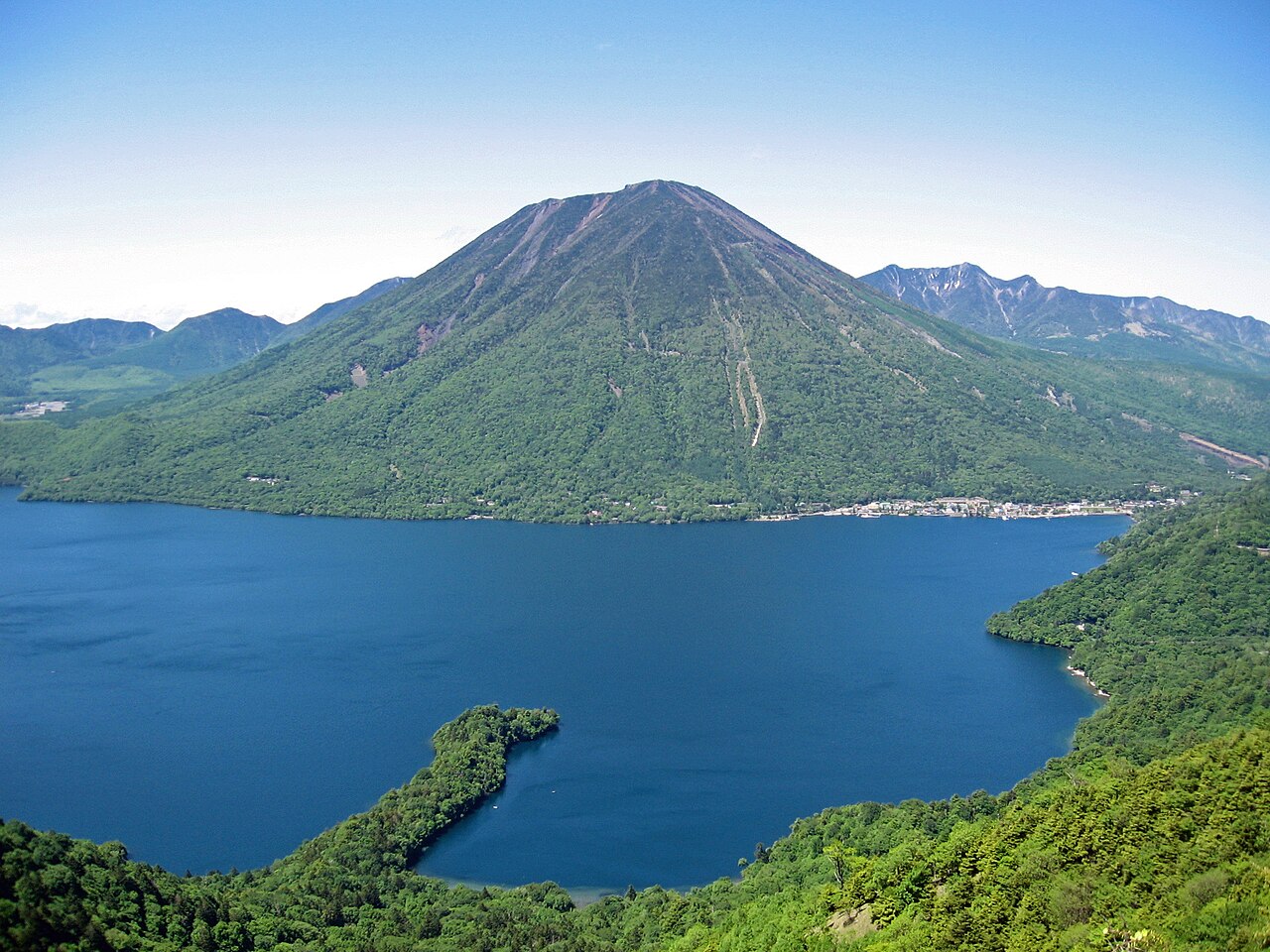
Chuzenji Onsen is a practical bus gateway for Lake Chuzenji and Kegon Falls. Sleeping in this area can remove the need to travel back down to central Nikko after every lake outing. It suits a trip where a lakeside pause, a waterfall visit and an unhurried evening matter more than collecting distant stops.
Ask your accommodation for its nearest stop and the walk from it, including any slopes and luggage difficulties. Confirm dinner and check-in times before deciding on a late arrival. A lake-area address is not a promise of an open restaurant next door at whatever time your bus reaches town.
Stay farther into Oku-Nikko for a walking focus
Yumoto Onsen is farther along the bus corridor and offers a different base for a nature-led stay. Senjogahara’s wetlands are another reason to spend time in this part of the park. Choose a specific permitted walking route from current local information rather than treating the whole wetland as one short circuit.
Boardwalks help protect the habitat, but they do not remove the need to check weather, distance and current access. Work out where you will finish and which bus serves that stop. If you prefer a gentler day, you can focus on lake or village time instead of stretching a walk to reach a distant pickup.
Buy transport for the area you will actually use
Tobu’s route information distinguishes the central cultural area from the buses toward Chuzenji Onsen and Yumoto Onsen. Compare your planned stops with a pass’s coverage before paying. A ticket suited to a town visit is not automatically the right product for a journey into Oku-Nikko, and limited-express rail arrangements need their own check.
Use the timetable for your actual travel date; some routes are seasonal. Save the departure stop and a sensible return option offline. Leave space between the mountain bus and a reserved onward train. Autumn traffic or a queue can make a schedule that looks tidy on a map feel much less comfortable in practice.
A two-day visit needs two priorities, not ten stops
With a central base, use the arrival day for the cultural area and the next full day for Lake Chuzenji and Kegon Falls, if conditions suit. With a lake-area base, travel up with time to settle in, enjoy the shore, and reserve the following day for one suitable wetland or forest walk.
You can reverse the order around weather and rail arrangements. Avoid making a lake visit, a long wetland walk and several major cultural sites mandatory on the same day. Keeping one main experience per day means a delayed bus changes the schedule without destroying the whole trip you hoped to have.
Choose the base that matches your evenings, too
Before booking, compare the last local connection, meal arrangements, luggage access and any onsen rules that matter to you. Ask directly about private bathing options or other requirements instead of assuming every property provides the same experience. A comfortable evening is part of the trip, not a gap between sightseeing days.
Pack for cooler conditions in the higher areas and check seasonal walking advice locally. Stay on marked routes and leave wildlife alone. If the mountain conditions do not suit your plan, spending longer in the cultural area is a meaningful alternative. You are choosing which version of Nikko fits this visit, not trying to finish the park.
Explore the parks in this guide
Official sources & trip checks
Ministry of the Environment: Nikko National Park ↗JNTO: Getting to Nikko National Park ↗Tobu Railway: Nikko bus routes and timetables ↗Tobu Bus: Nikko seasonal services ↗JNTO: Walking the Senjogahara wetlands ↗Sources checked October 25, 2026. Independently researched by Parkly; not a firsthand trip report. Route order, light preferences and pace are editorial suggestions. Check official conditions for your travel dates.
How we make recommendations ↗