Traveling to a national park alone does not mean spending every hour alone on a trail. You can combine independent exploring with a ranger program, choose a compact area with visitor services, or enjoy an unhurried museum and viewpoint day. The useful question is not which park is universally best for solo travelers. It is which daily routine you can comfortably manage without another person handling the driving, navigation or decisions.

For independent visitors planning ordinary day outings. Remote backpacking, technical routes and wildlife-specific backcountry travel need additional preparation beyond this guide.
Cuyahoga Valley: make a small outing feel complete
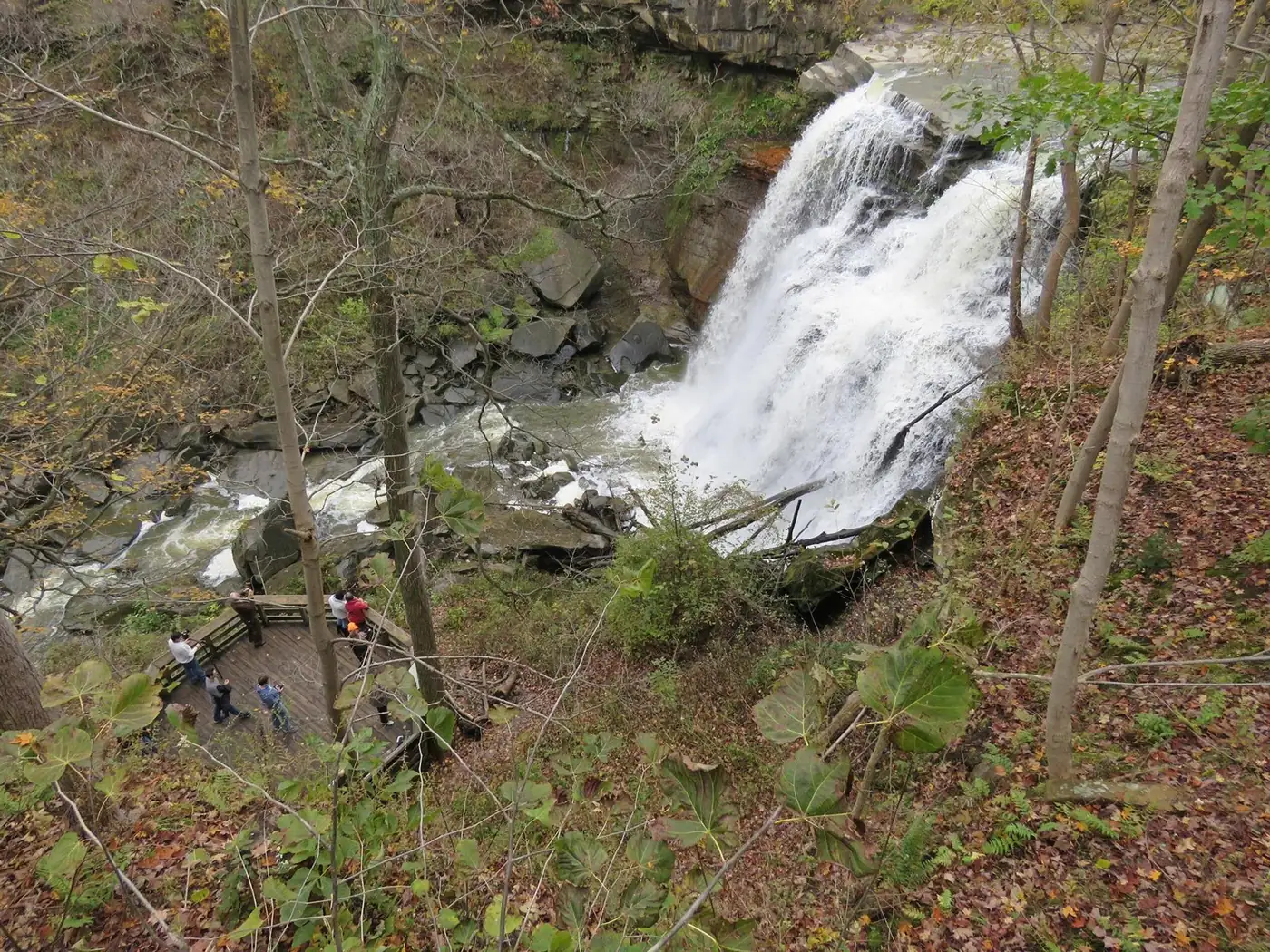
For canal history and a day that is easy to divide into parts, use the Boston area as a starting point. NPS describes the Boston Store-to-Lock 32 walk as a 0.2-mile round trip, with nearby Boston Mill Visitor Center as another stop. Most visitors park at Boston Trailhead; the smaller Boston Store Trailhead is for accessible and limited-mobility parking.
This is a good choice when you want an introduction without turning your first independent day into an endurance test. Read the exhibits, look at the canal and decide afterward whether you want another outing. For a longer option, the Canal Exploration Center-to-Tinkers Creek Aqueduct walk is one mile round trip. Check facility hours and conditions, and remember the Towpath is shared with cyclists.
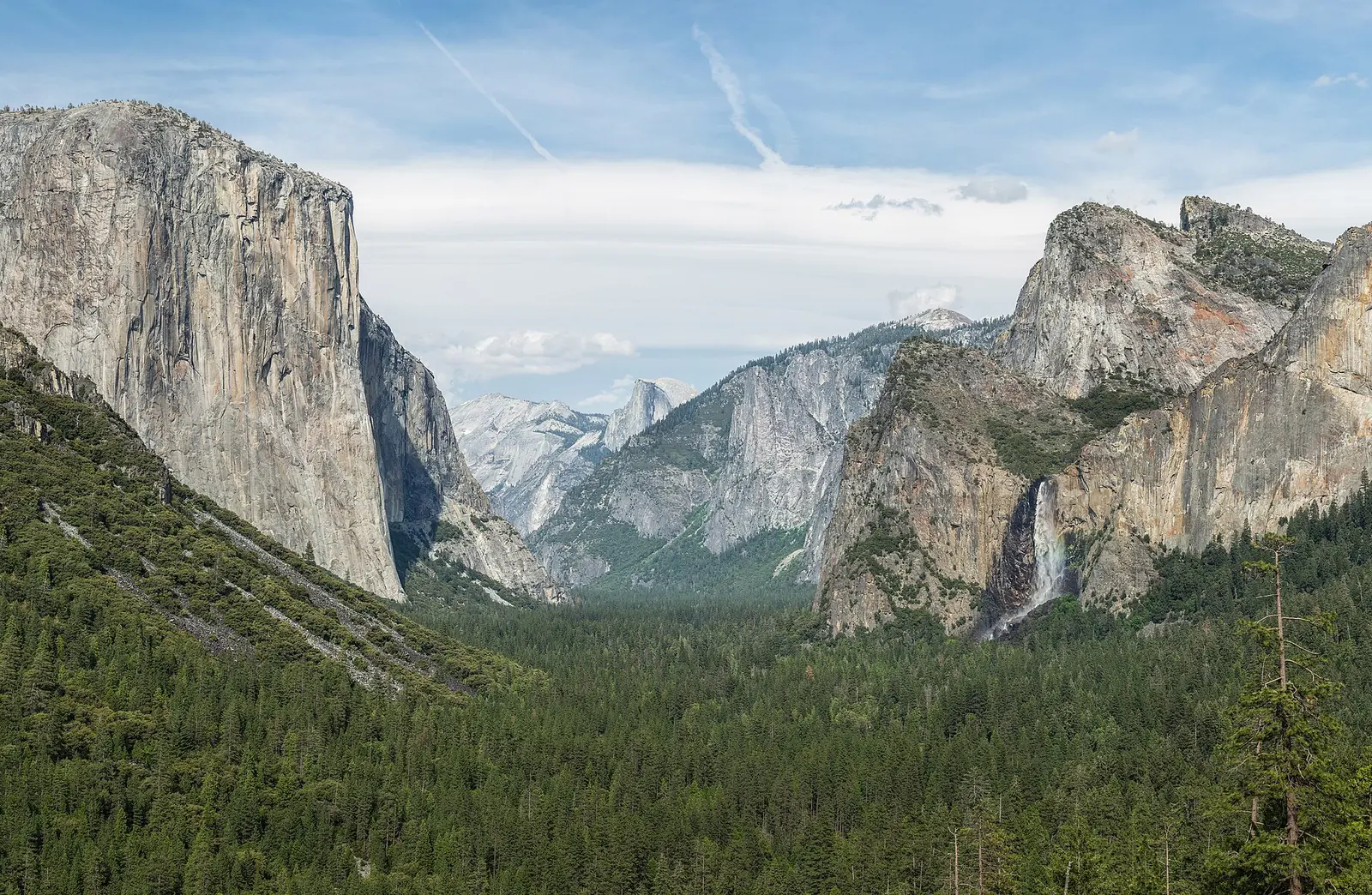
Yosemite Valley: separate your arrival from your exploring
Yosemite Valley’s free shuttle can reduce the amount of driving you do between daytime stops. It does not solve the whole journey: getting from your lodging to the Valley, arriving with luggage and returning after service ends are separate questions. Read the current route and operating information before choosing a base.
Build an outing around a small cluster of stops you can locate on the map. Keep one nearby alternative if the first area is too busy or the conditions change. If you want to stay after sunset, arrange the return first. Being able to leave when you choose is particularly valuable when nobody else is sharing the driving.
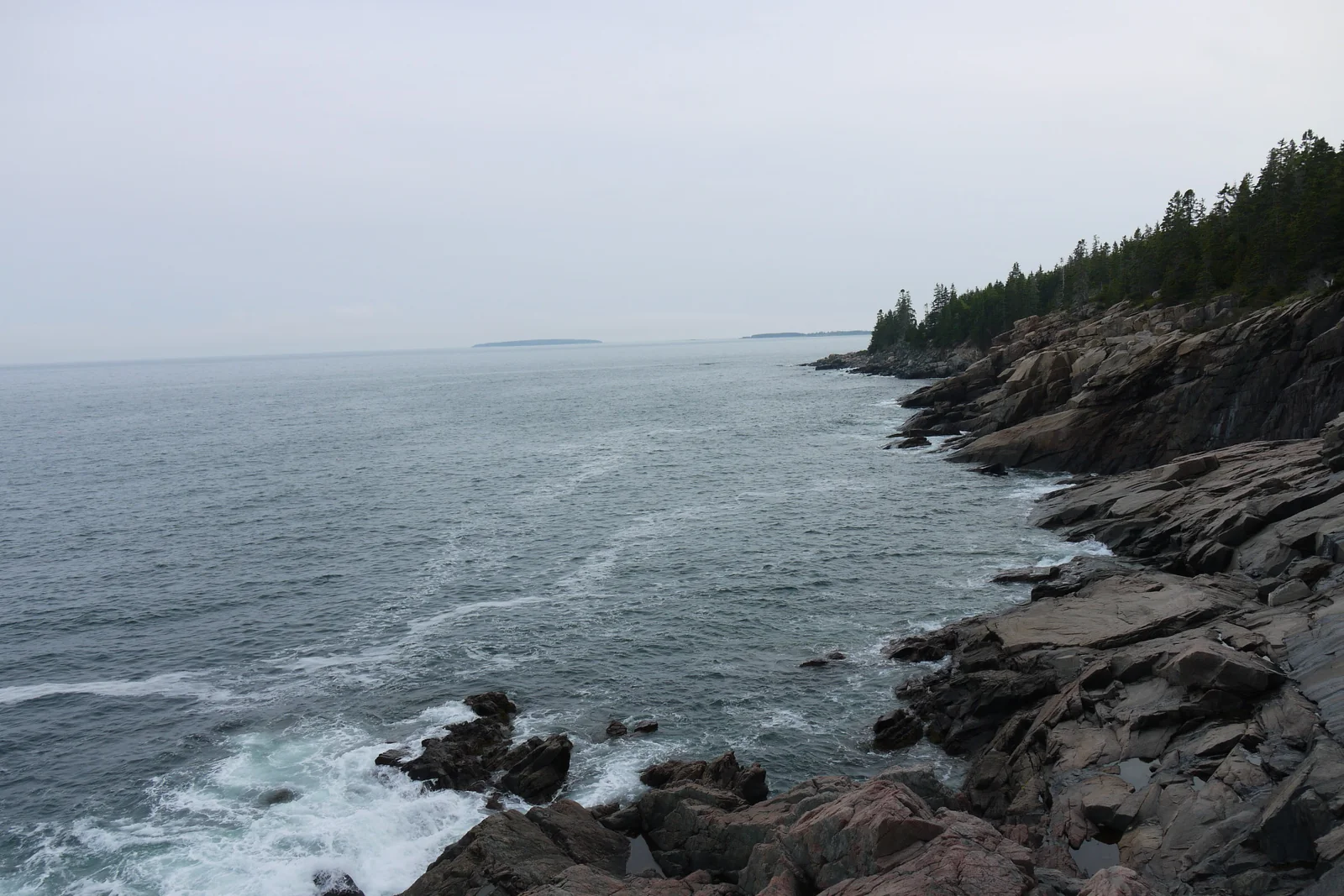
Acadia: add one shared experience to an independent day
Acadia’s ranger calendar offers a way to join an activity without organizing a group yourself. Programs vary by season and can include walks, short talks and drop-in sessions. Open the individual event details: some require reservations, and the location can be far from the part of the park you had in mind.
Choose a program because its subject interests you, then plan nearby independent time around it. A coastal talk followed by a meal in your base town can make a full day. Avoid combining an activity in the Schoodic district with several Mount Desert Island commitments just because both appear under Acadia on the calendar.
Share a route that someone else can understand
NPS advises extra preparation when hiking alone and notes that hiking with a companion is safer. For any solo outing, carry the navigation, water, food, clothing and emergency supplies appropriate to the route. Download information ahead and carry a backup map. Do not assume reception, an open shop or another hiker will fill a gap in your preparation.
Leave your exact route, trailhead, expected return and an agreed response if you are overdue with a trusted person who is not joining you. NPS specifically says not to leave the trip plan with the park. Update that contact before switching to a different plan and check in when finished. This is especially useful across time zones: write the local date and time explicitly.
Give the day a purpose you do not have to negotiate
Choose one personal project: photograph three textures, read every display at one small exhibit, or spend half an hour watching a landscape change. Keep it on established routes and public viewing areas. This creates a reason to linger without adding distance or seeking isolation.
End the outing while you still have enough energy for the practical tasks afterward. Fuel, dinner, charging devices and checking tomorrow’s conditions all fall to you. If the day feels uncomfortable or conditions exceed your skills, shorten it or choose a staffed activity. Changing your mind is part of traveling independently, not a reason to push on.
Explore the parks in this guide
Official sources & trip checks
NPS: Short Towpath Trail walks ↗NPS: Yosemite public transportation ↗NPS: Acadia ranger programs ↗NPS: Hike Smart ↗NPS: Leave a trip plan ↗NPS: Trip planning guide ↗Sources checked October 23, 2026. Independently researched by Parkly; not a firsthand trip report. Route order, light preferences and pace are editorial suggestions. Check official conditions for your travel dates.
How we make recommendations ↗