For a rainy national park day, start with one open indoor destination near your base, then decide whether a short outdoor stop is suitable. Yosemite Village, Grand Canyon’s Yavapai Geology Museum and Sugarlands Visitor Center in the Smokies offer three different ways to do that. This is a backup for a changed forecast, not a reason to travel through a storm or keep a hazardous hike.

For visitors who already have a park trip booked and want a useful alternative to a wet summit, a hidden view or a canceled trail plan. Choose the example near you; these are separate park days, not a combined route.
First decide whether this is an indoor day or a stay-put day
Check the park’s alerts, the forecast for the actual destination and conditions on the approach road. Light rain with open roads is different from lightning, flooding, high winds, snow or an official closure. The existence of a museum does not make the journey to it safe. If access is unsafe, stay at suitable shelter and postpone the outing.
For thunderstorms, use a substantial enclosed building or an enclosed hard-top vehicle with windows closed. Picnic shelters, tents and porches do not provide adequate lightning protection. NPS advises waiting at least 30 minutes after the last thunder or lightning before resuming outdoor activity; continue to follow any longer local warning or closure.
Yosemite: make the Village the destination
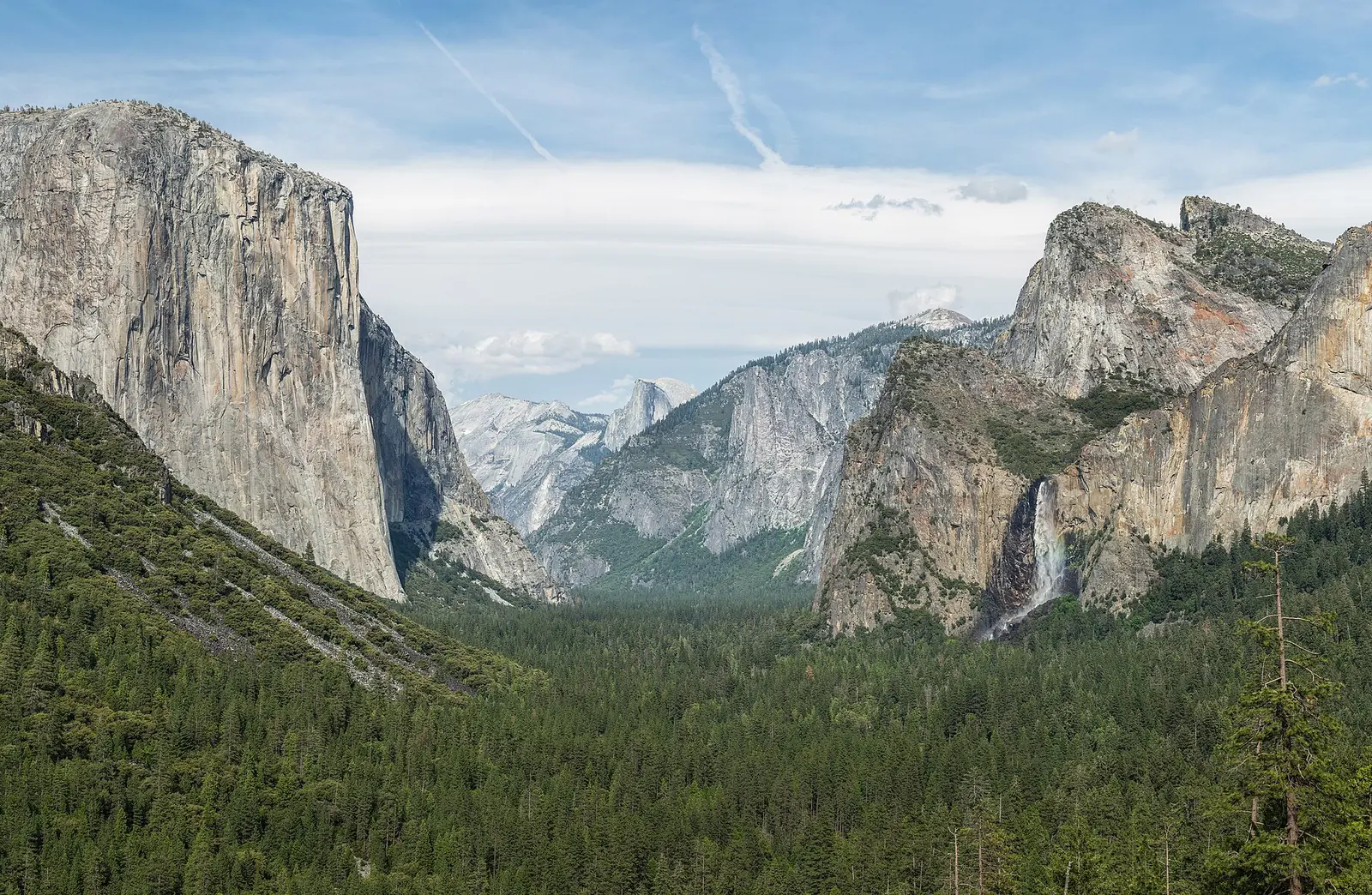
Begin at the Yosemite Exploration Center when open. Its interactive exhibits connect the Valley’s landscape with wildlife, people and the processes that shape the park. Let each traveler choose one topic to investigate rather than rushing through every display. This gives the afternoon a focus that does not depend on seeing a clear summit.
The neighboring Yosemite Museum adds the cultural history of the area’s Miwok and Paiute people. Check the day’s hours before walking over; museum breaks and gallery availability can differ from the Exploration Center. In settled conditions, the reconstructed village behind the museum can be a nearby outdoor addition. Keep it optional, and skip it if footing, wind or weather makes being outside unsuitable. Leave the higher-road detour for another day.
Grand Canyon: let the rocks explain the view
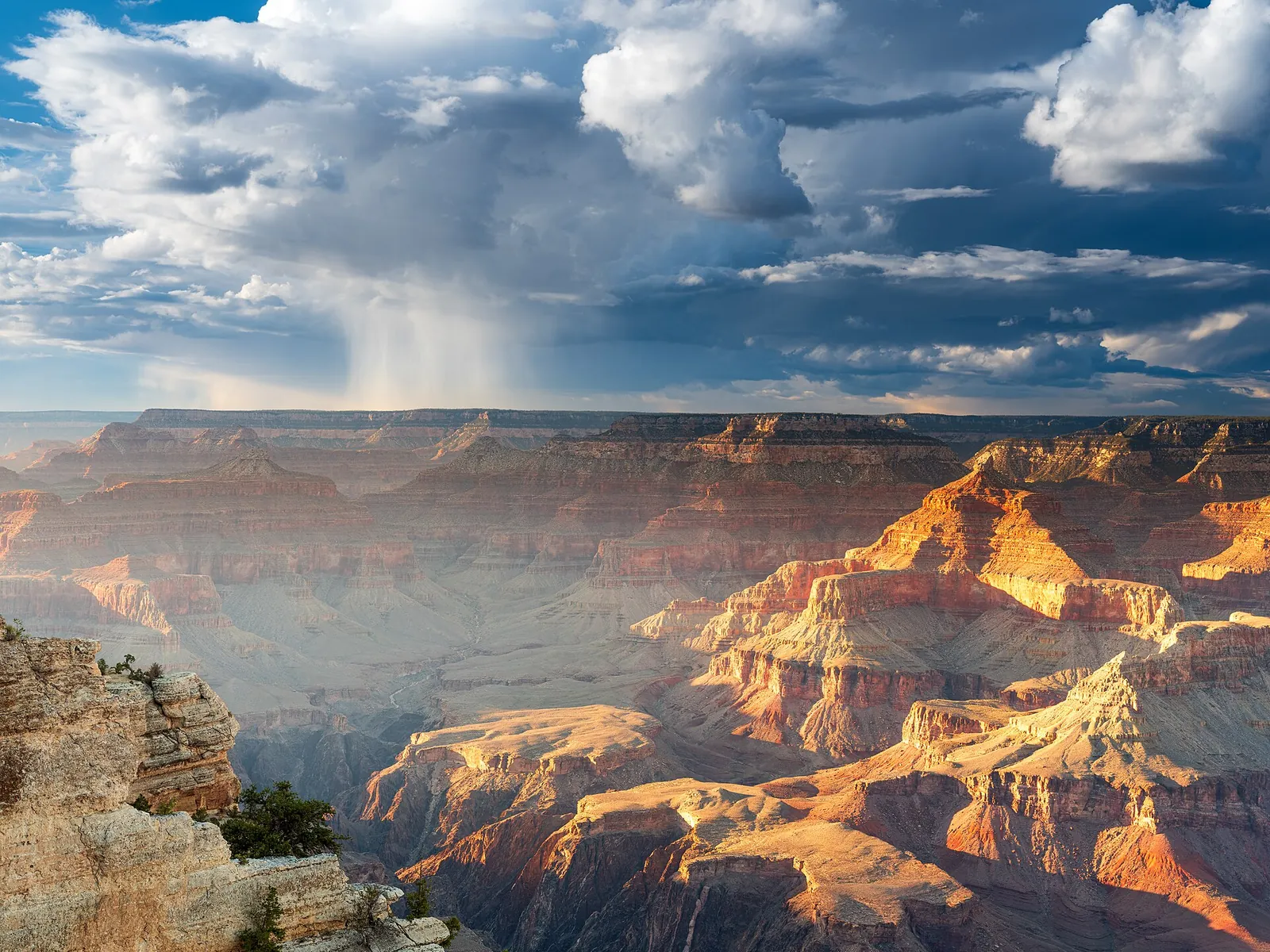
Yavapai Geology Museum is a practical South Rim anchor, with rock-layer displays, a relief model and large canyon-facing windows. Even when clouds hide much of the view, the exhibits give you a way to understand its scale and structure. Choose this plan because geology interests you; a museum visit cannot guarantee the canyon will emerge from fog.
Check opening hours and the operating shuttle route before leaving your accommodation. Parking and the Orange route provide access without committing to a long rim walk. Remember that the parking area, bus stop and separate restroom building still involve outdoor movement. Add a brief designated viewpoint stop only when conditions are suitable; cancel the exposed rim walk if thunder, ice or poor footing changes the decision.
Great Smoky Mountains: an indoor start at Sugarlands
Near the Gatlinburg side of the park, Sugarlands Visitor Center offers a museum and a 20-minute park film. It is a useful place to replace a summit-view plan with questions about the forest and its wildlife. Ask staff about the local conditions before choosing any outdoor continuation, and check the facility’s hours before making the drive.
The nearby trail network is an option only after conditions improve and staff confirm an appropriate route. You do not need to reach a waterfall to complete the day. Avoid streamside or flooded paths after heavy rain, and do not add a crossing or mountain-road drive simply because the original schedule has space. A film, exhibits and lunch can be the whole outing. Check parking-tag requirements for your stop.
How to choose a short outdoor addition
Use three questions: is the route open, is the surface suitable for everyone, and can you return to shelter before conditions change? A short distance does not answer any of them. Wet rock, ice, rising streams or poor visibility can make a familiar stop inappropriate. Stay on established paths and keep footwear and a dry layer available.
If rain eases, choose a nearby designated stop rather than chasing a gap in the clouds across the park. If thunder returns, head back to safe shelter immediately. If a road is flooded, do not drive through it or around a barrier. Rain upstream can create flooding even where the sky above you looks better.
Keep the backup short enough to leave tomorrow intact
Before the trip, save the indoor destination’s name, current hours, access route and one nearby meal option. Check again that morning, since staffing or weather may change service. Plan for an hour or two of indoor interest rather than promising a full day of entertainment from a small visitor center.
Use the spare time to dry clothes, charge equipment and revise the next day around fresh conditions. Move the original hike only if the forecast, trail access and everyone’s energy support it. The point of a rainy-day plan is to find something worthwhile today without carrying an avoidable problem into tomorrow.
Explore the parks in this guide
Official sources & trip checks
NPS: Yosemite Exploration Center ↗NPS: Yosemite Museum ↗NPS: Yavapai Geology Museum ↗NPS: Sugarlands Visitor Center activities ↗NPS: Great Smoky Mountains parking tags ↗NPS: Lightning safety ↗NPS: Monsoons and flash floods ↗Sources checked October 23, 2026. Independently researched by Parkly; not a firsthand trip report. Route order, light preferences and pace are editorial suggestions. Check official conditions for your travel dates.
How we make recommendations ↗