For a photography-focused Manuel Antonio visit, give the forest your most patient attention and keep a beach stop as a separate change of pace. A qualified guide can help with spotting and interpretation, but cannot guarantee a sloth or arrange wildlife for a portrait. Choose a light camera setup you can carry comfortably and follow the park’s photography restrictions.

This is for ordinary personal photography on permitted visitor routes, not commercial filming or a request to approach animals. A phone and binoculars can be a perfectly useful combination.
Set a small photographic intention
Choose a few kinds of images rather than a species checklist: an animal within its habitat, a detail in the canopy, a forest path and the coast. This gives you something worth noticing even when a famous animal stays hidden. It also stops every rustling leaf from becoming a competition to secure a close-up.
Tell the group whether photography is the main purpose or an occasional part of a shared visit. Agree on a reasonable pause before moving on. Someone who wants to look through binoculars should not feel responsible for finding your next subject, and a companion who prefers the beach should understand how much forest time the plan actually includes.
Choose a guide for observation, not promises
If finding and understanding wildlife is the priority, ask a credentialed guide about group size, meeting point and expected walking route. Explain your interest in photographs and ask how stops work without obstructing other visitors. Confirm the finish location so you can continue independently only where allowed and within the park day.
A guide may point out details you would otherwise miss, but the animal chooses its own position and behavior. Be wary of any expectation that a particular pose is included. An independent walk is also valid if you enjoy plants, sounds and whatever appears. The useful distinction is how you want to observe, not a guarantee that one option produces a full album.
Use the park’s photography rules as the starting point
The published Manuel Antonio visitor rules prohibit flash photography, sounds or recordings used to attract animals, and wildlife selfies. They also restrict equipment used to point at wildlife and prohibit drones. Prepare your camera settings before the walk so an automatic flash does not fire unexpectedly. Follow current park instructions if they add further restrictions.
Do not move branches, feed an animal or step away from the permitted path to improve the frame. A photograph taken at a respectful distance may show more of the habitat than the picture you imagined, and that is useful context. If the animal moves away or a crowd forms, let the moment end rather than turning attention into pressure.
Pack for shade, humidity and a moving group
Bring a setup you can support and carry without blocking a narrow path. Keep a lens cloth and rain protection accessible, and practice changing basic settings before entering. In dim forest light, a slightly imperfect photograph can be a better result than making the whole group wait while you unpack equipment. Protect electronics when moving between wet and sheltered places.
Use a strap or secure bag so your hands are available on uneven or damp ground. Keep spare batteries and small accessories contained. Ask about any equipment restrictions relevant to your setup rather than assuming that a large support or other accessory is permitted. The most practical camera is the one that lets you remain aware of both the trail and the people nearby.
Give the beach a different visual rhythm
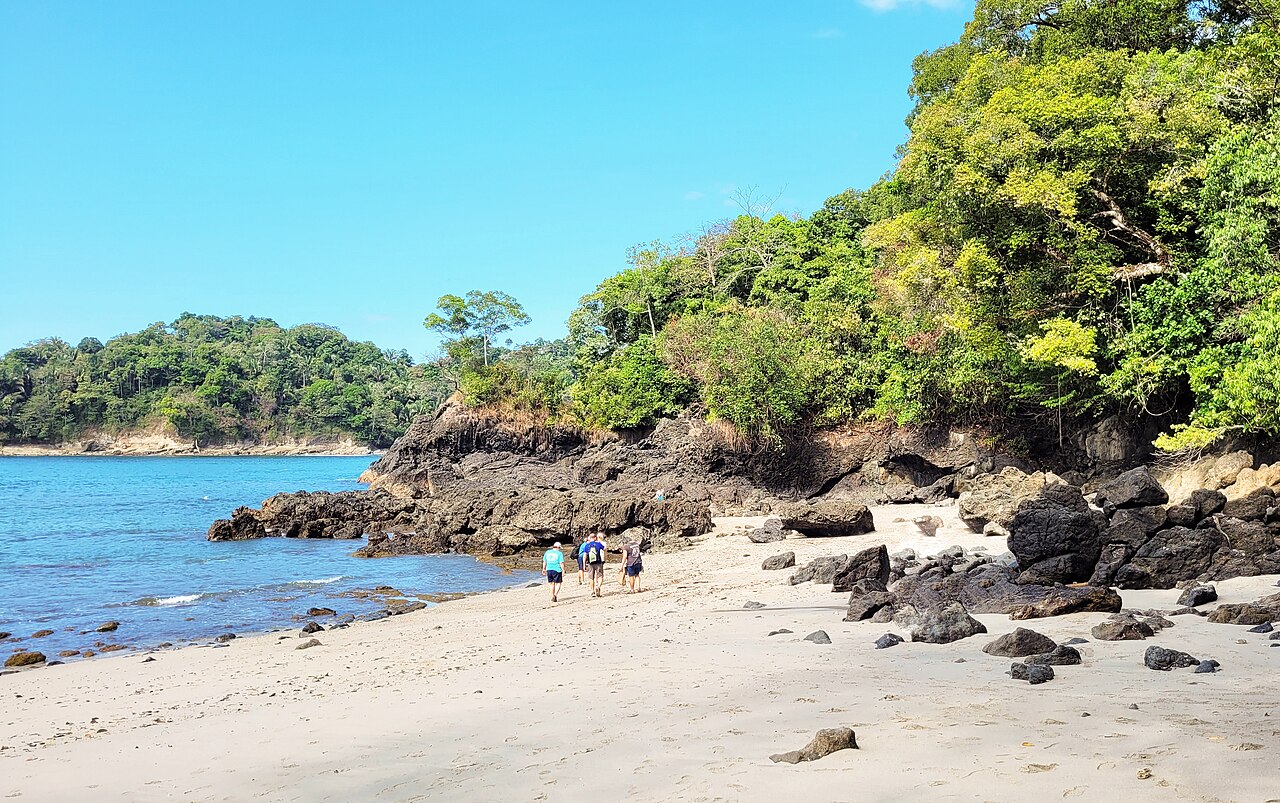
At an open beach, switch from searching for animals to broader scenes: the forest edge, a curve of sand or changing light over the Pacific. Keep valuables secure and do not leave food or belongings as an attraction for wildlife. Follow the current rules for eating and the posted water conditions rather than treating the stop as an unrestricted picnic.
Before settling in, decide when to begin the return walk. Sand, changing clothes and packing damp equipment take time. There is no need to add every beach if one gives the contrast you wanted. Leave enough energy to notice the forest on the way out instead of making the final stretch a hurried escape from a too-full schedule.
Keep a memory when the photograph does not happen
Write down one behavior, sound or plant that changed the way you looked at the place. Not every worthwhile encounter produces a clear image, and an obscured animal is still living in its own habitat. A useful personal collection can include an ordinary leaf or a wide forest scene that reminds you how the morning felt.
When selecting pictures later, favor a small sequence that tells the day honestly. Do not describe a distant shape as a species you could not identify, and do not imply an encounter was guaranteed. That approach leaves room for a future visit with a different interest, while making this one feel complete even without the most famous photograph.
Explore the parks in this guide
Official sources & trip checks
Costa Rica official legal database: Manuel Antonio visitor photography rules ↗SINAC: Manuel Antonio visitor information ↗SINAC: Current visitor map ↗Sources checked October 25, 2026. Independently researched by Parkly; not a firsthand trip report. Route order, light preferences and pace are editorial suggestions. Check official conditions for your travel dates.
How we make recommendations ↗