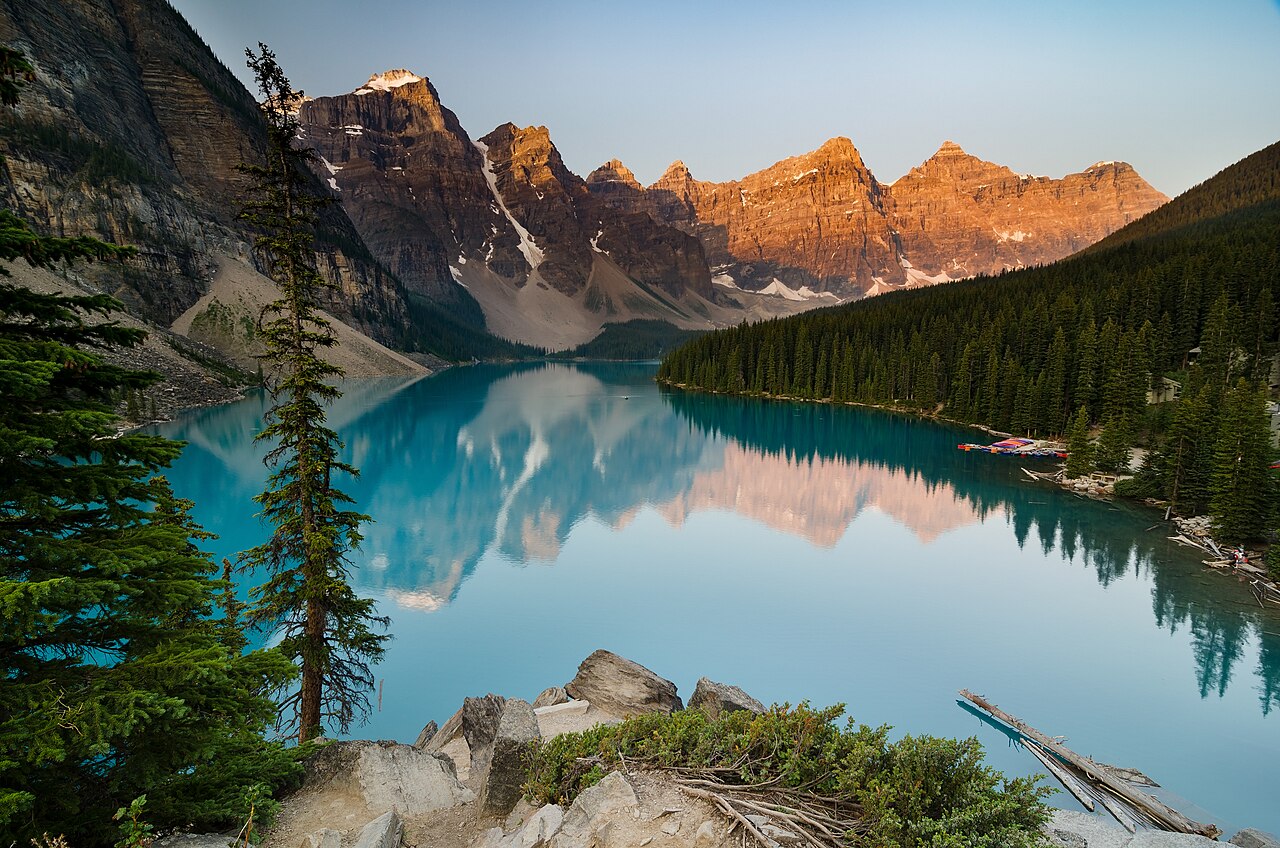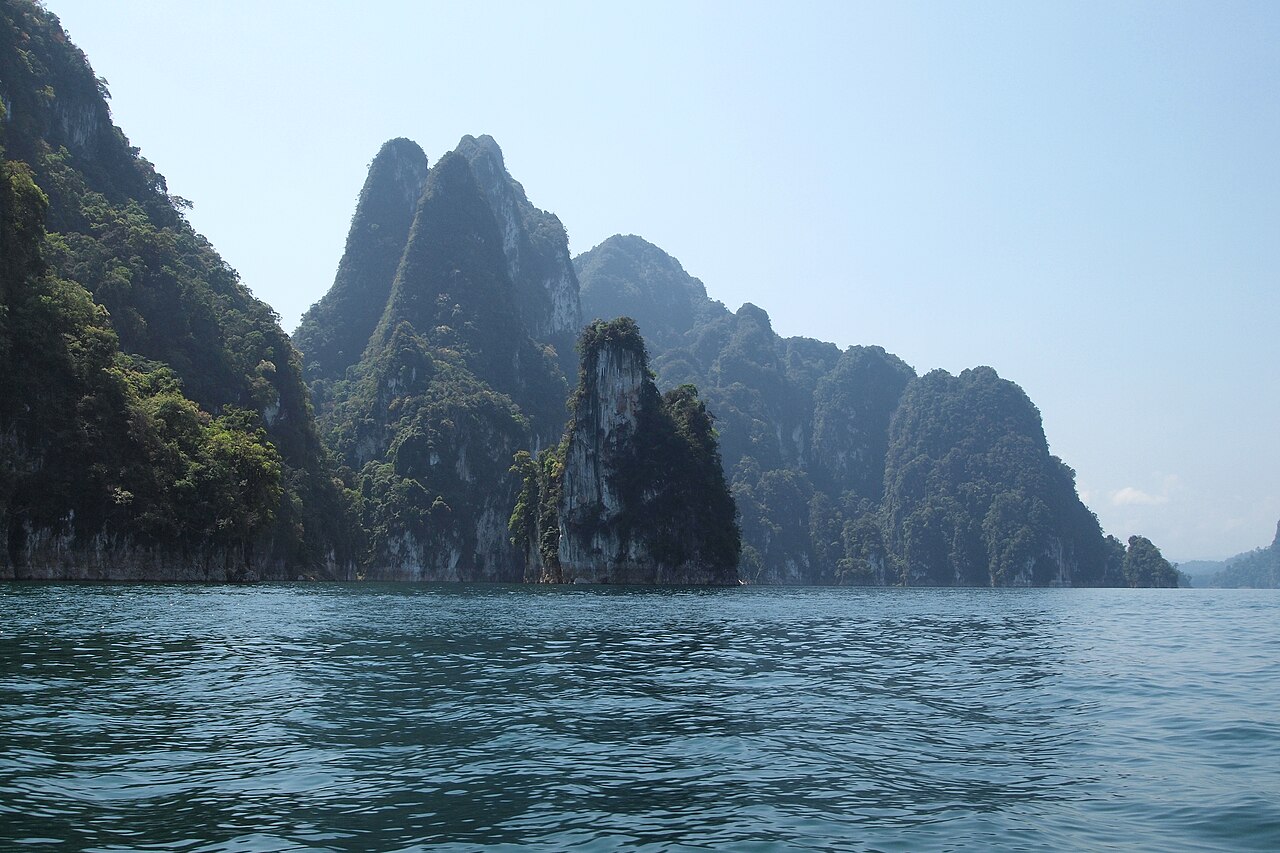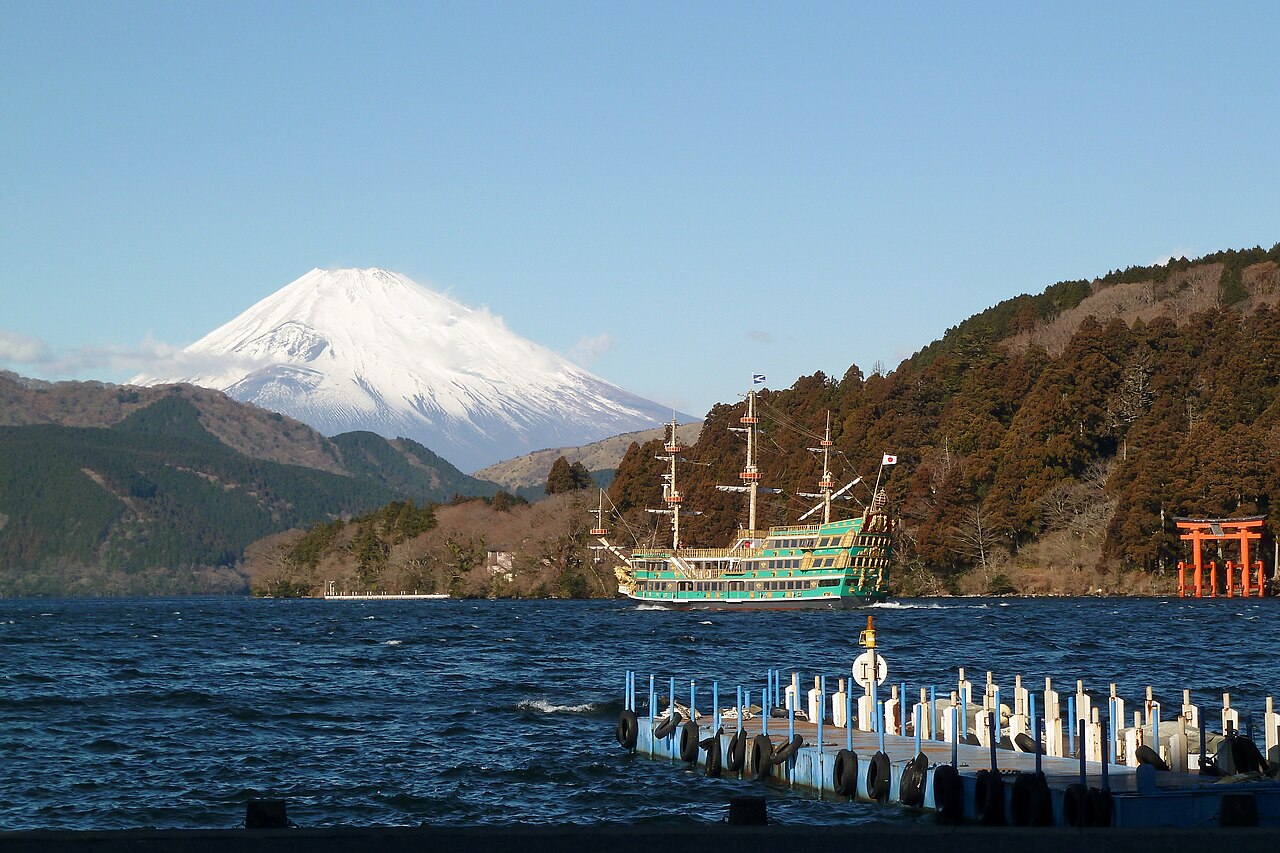
Yes, a car-free visit works, especially when you choose one area. Pick Hakone for a mix of lake scenery and an onsen stay, the Fuji Five Lakes when the mountain view is the priority, or Izu for a separate coastal trip. For a relaxed first visit, give Hakone two days instead of trying to connect the whole national park.

For travelers adding a nature break to a Japan trip who prefer trains, buses and manageable walks. This is a lower-elevation scenery itinerary, not a Mount Fuji summit-climbing guide.
The name covers several different trips
Fuji-Hakone-Izu National Park includes the Mount Fuji area, Hakone, the Izu Peninsula and the Izu Islands. These are separate travel choices rather than stops on one compact park loop. Decide which experience you want to remember: looking across a lake, settling into a hot-spring stay, spending time on the coast or taking an island trip.
For two days, one base is usually the more useful choice. Keep the other areas on your saved list for later. If seeing Mount Fuji is the main goal, be honest about the uncertainty: a viewpoint can be reachable while the mountain remains hidden by cloud. Choose somewhere you would still enjoy on an overcast day.
Choose Hakone when the whole stay matters
Hakone combines lake scenery with hot springs and visitor facilities, making it a practical first option for this style of trip. Rail brings you toward Hakone-Yumoto or Odawara, with local connections continuing through the area. Before booking a room, trace the final part of the journey; a convenient rail arrival does not guarantee a convenient bus to every property.
Compare the full cost of the stay, including meals you want and transport you will actually use. If dinner is included, treat its check-in deadline as the end of the sightseeing day. Ask about bathing arrangements, private-bath options if needed, and the property’s own rules. The room is part of the experience, so give yourself time to be there.
Day one: keep Lake Ashi and Motohakone together
After reaching Hakone, use the current local bus connection toward Motohakone. The lakeshore and historic cedar avenue offer a focused afternoon. On clear days, Mount Fuji can appear beyond the lake; on other days, the water, trees and changing light are the reason to pause. Keep the walking distance adjustable rather than fixing a circuit before seeing conditions.
A boat ride can add another perspective if it fits the operating schedule, weather and your energy. It does not need to trigger a race through every other transport connection in Hakone. Choose one optional addition, then return with time for your lodging. A bag you can comfortably carry or a confirmed luggage arrangement makes this day easier.
Day two: let yesterday choose the next stop
If the lake walk was the highlight, repeat a short section in different light before leaving. If you want variety, choose one nearby museum or another currently operating transport-based outing. Check its hours and the whole return journey before setting off, especially when you must collect luggage and continue to another city.
Look at Hakone Navi’s live transport information before relying on the ropeway, trains or sightseeing services. Maintenance and interruptions can change a planned combination. Keep a bus-based or local walking alternative that your group actually wants to do. A spare hour is more useful than an extra attraction when connections become busy.
When the Fuji Five Lakes or Izu is the better choice
Choose a Fuji Five Lakes base such as Kawaguchiko when your main interest is the mountain-and-lake setting. Tokyo has bus and rail approaches, and local buses link many visitor areas. Check the individual route you need and the final service home; a general statement that public transport exists is not a complete itinerary.
Choose the Izu Peninsula when a coastal break sounds more appealing, then narrow the area around rail and bus access from gateways such as Atami or Mishima. Izu Island travel needs a separate ferry or flight plan. Add those destinations by adding days, rather than squeezing them into the spare afternoon of a Hakone stay.
Buy transport for your route, and keep summit climbing separate
Compare a pass with the journeys you have chosen. Check which operators, starting station, dates and services it covers, along with any reservations or supplements. A pass that encourages extra travel can cost you the relaxed afternoon you came for. Save the route, accommodation address and return details offline before leaving.
Mount Fuji summit climbing is a separate mountain undertaking with an official season and route-specific rules. The official site says the 2026 climbing season has ended; do not treat an autumn Hakone visit as an opportunity to add the summit. For a future climb, use the official climbing guidance when that season’s requirements are available. You can enjoy this national park fully without putting a summit on the itinerary.
Explore the parks in this guide
Official sources & trip checks
JNTO and Ministry of the Environment: Park areas and transport ↗Ministry of the Environment: Hakone and Izu sights ↗Kanagawa Prefecture: Motohakone lakeshore and access ↗Hakone Navi: Current service information ↗Official Mount Fuji climbing: Open season and closures ↗Sources checked October 24, 2026. Independently researched by Parkly; not a firsthand trip report. Route order, light preferences and pace are editorial suggestions. Check official conditions for your travel dates.
How we make recommendations ↗